Amazon delivery driver jobs are gaining popularity as more people search for flexible work options and competitive pay. For anyone considering this path, understanding the expectations, qualifications, and potential income is crucial.
This article aims to break down what’s involved, offer honest insights, and help you weigh if driving for Amazon fits your needs.
Who Should Consider Being an Amazon Delivery Driver?
Many people are drawn to Amazon delivery roles, but not every worker or lifestyle is a perfect match.
Maybe you're a student needing adaptable hours, a parent searching for steady but straightforward work, or perhaps someone in between jobs and needing quick earnings without long-term commitments. It isn't strictly for experienced drivers, either.
Types of Amazon Delivery Jobs: DSP vs. Flex
Amazon Delivery Service Partner (DSP)
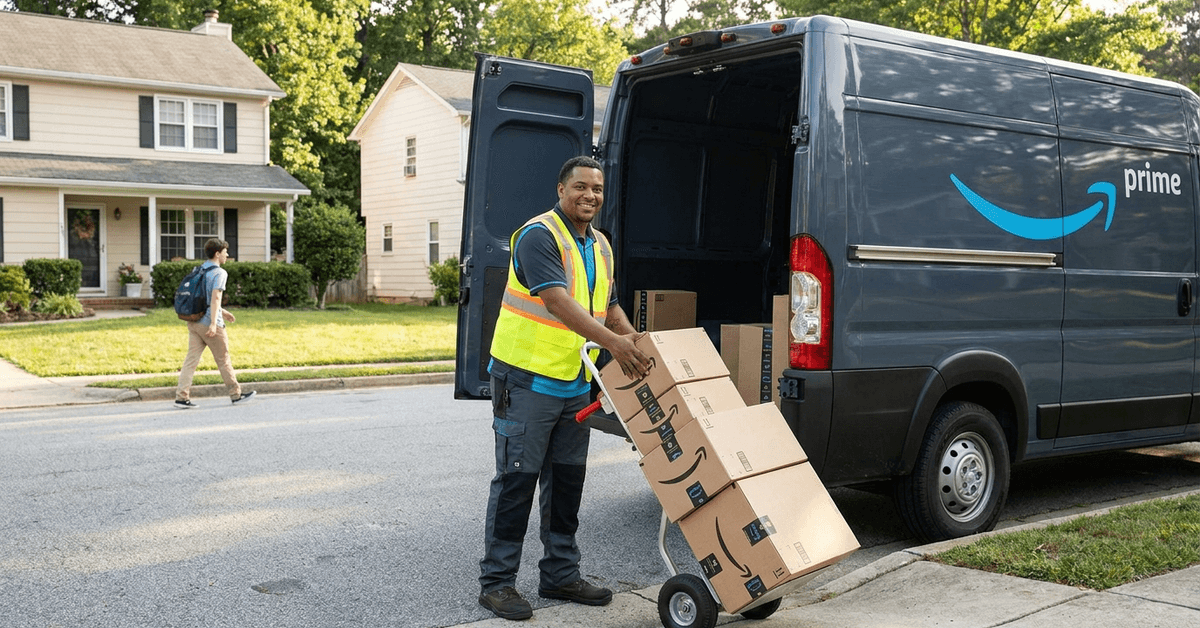
Most full-time Amazon delivery drivers work with a Delivery Service Partner, or DSP. These are third-party companies that contract with Amazon to manage local delivery teams.
Typically, DSP drivers use Amazon logo vans, deliver pre-sorted packages, and follow a set schedule.
Amazon Flex
If independence is a high priority, Amazon Flex might appeal more. Flex drivers act as gig workers, using their own vehicles and choosing blocks of time to make deliveries.
The level of control is higher than at a DSP, but responsibilities—like fuel, vehicle wear, and planning—also increase.
Key Requirements to Become an Amazon Delivery Driver
General Eligibility Criteria
- Age Requirement: Minimum age is usually 21. There are rare exceptions, but not often.
- Driver’s License: A valid U.S. driver’s license is essential, with a clean recent record.
- Background Check: Both criminal history and driving record checks are mandatory.
- Employment Eligibility: Legal authorization to work in the U.S. (proof may be needed).
- Flexible Schedule: Willingness to work early mornings, evenings, or weekends may help your chances.
Physical and Technical Skills
- Physical Endurance: Expect to walk, lift, and move repeatedly—most packages are light, but the pace can be brisk.
- Navigation Ability: Good sense of direction and basic familiarity with navigation apps are important.
- Communication: Occasional customer interactions require patience and courtesy.
Additional Requirements for Amazon Flex
- Vehicle Ownership: A midsize sedan or larger vehicle (SUV, van) is usually required.
- Smartphone: An Android or iOS device capable of running the Amazon Flex app.
- Auto Insurance: Proof of coverage that meets your state’s minimum requirements.
Amazon Delivery Driver Salary: How Much Can You Make?
Earnings in this field are rarely flat. They tend to depend on location, hours, company policies, and sometimes just luck with route assignments or weather. Let’s break down the usual pay structure for both main options.
DSP Driver Pay
Hourly wages for DSP drivers commonly land between $18 and $22, sometimes a little more in higher-cost cities. Overtime may be paid after 40 hours per week, according to the employer’s rules.
There might be performance bonuses—usually linked to efficiency and safe delivery stats—but this isn't guaranteed everywhere.
Amazon Flex Pay
For Flex drivers, pay isn’t hourly but block-based. Most delivery blocks offer total payouts that work out to about $18–$26 per hour, though some report a slightly lower average if routes run long or there are delays.
It’s possible to edge upward, but not every city pays the same rate, so earnings do vary, sometimes unpredictably.
Benefits and Drawbacks: What Is It Really Like?
Job Perks
- Flexible Hours: Particularly with Flex, being able to choose shifts around life obligations is a strong draw.
- Fast Hiring Process: For many, the onboarding isn’t painfully long. Sometimes, things move quicker than expected.
- No Degree Required: For those without specialized training, this role is open-access.
Common Challenges
- Physical Strain: Long walking routes, sometimes in awkward weather, can tire even the fittest person over time.
- Unpredictable Schedules: DSP drivers may get shifts that switch up week by week. Flex drivers may compete for desirable blocks.
- Pressure on Timeliness: The push for fast deliveries can feel relentless, especially in busy areas.
Day-to-Day: What Does a Typical Shift Look Like?
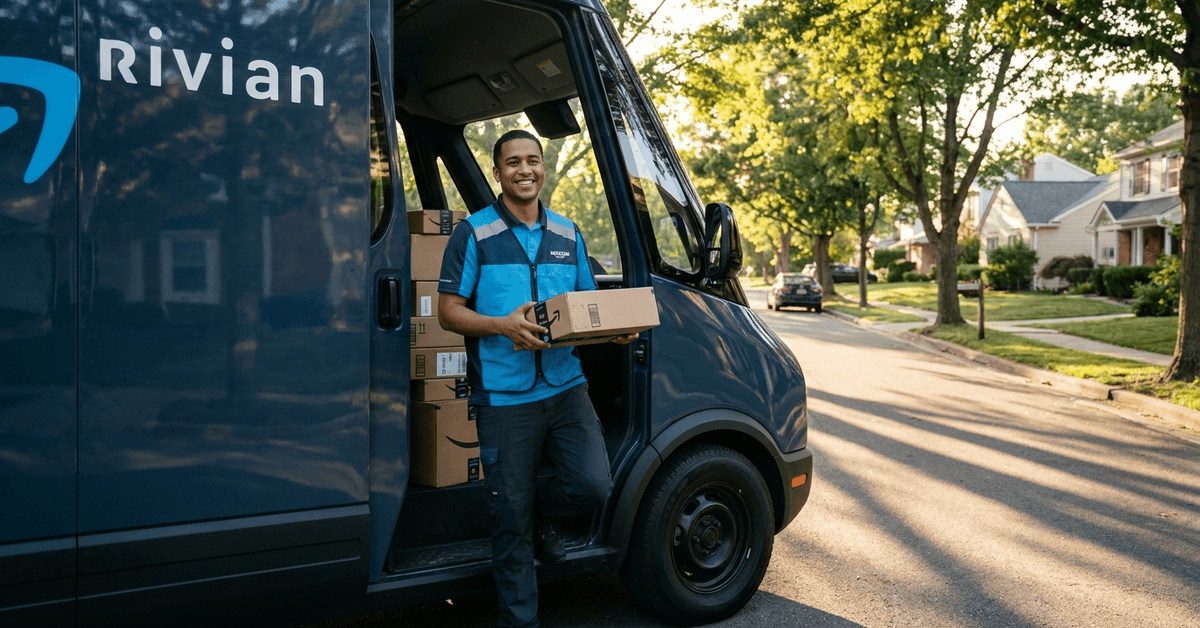
On most delivery shifts, drivers arrive at the Amazon facility or pickup point. DSP drivers collect a manifest and keys for their vehicle.
Packages are loaded—sometimes with help, other times solo. Flex drivers often scan their packages via the app and organize them in their own car.
From there, it’s hours of navigation, stops, and quick drops. Some deliveries require signatures or photo confirmations, but most are ‘knock and leave.’ Lunches tend to be taken wherever there’s a pause.
That said, not every route is the same; even the best-laid plans can get reshuffled after a traffic jam or inclement weather. Still, I think most drivers develop a rhythm after several weeks, even if the job feels unpredictable at first.
Ways to Maximize Your Amazon Delivery Driver Earnings
Choose the Right Location
Some cities and suburbs offer better payout rates or denser routes, which translates into more completed deliveries per hour. These regions might also provide opportunities for bonus earnings, especially in peak seasons.
Take Advantage of Incentives
Amazon and DSP partners may periodically roll out extra cash bonuses for high-volume seasons or perfect attendance. These aren’t promised, but being alert can help drivers grab them.
Efficient Routing
Using the built-in navigation helps, but sometimes seasoned drivers learn shortcuts or parking spots that boost delivery speed. There’s a learning curve, but over time, deliveries per hour can increase, raising overall earnings.
Maintain Vehicle and Personal Energy
Breakdowns or burnout can kill a route. Regularly checking the vehicle (especially for Flex users) and pacing oneself during busy days can make a difference in reliability—and earnings potential.
Legal and Tax Considerations for Amazon Drivers
Employment Classification
DSP drivers are typically classified as employees of the delivery partner. This usually means taxes are withheld, and sometimes there are benefits, like health insurance or paid leave, though it’s not a given.
Amazon Flex Drivers as Independent Contractors
Unlike DSP drivers, Flex drivers are independent contractors. This means no taxes are withheld, and responsibilities like quarterly filings or tracking expenses fall on the driver.
Deductions may be possible but can feel complicated at first. You might want to consult a reputable tax preparer, especially if gig income is new to you.
Insurance
DSP drivers are generally insured through their employer while on the clock. Flex drivers must verify that their own auto policy provides coverage for commercial activity; otherwise, accidents could become expensive problems down the road.
Frequently Asked Questions About Amazon Delivery Jobs
Is previous delivery experience necessary?
In most cases, no experience is required. Some employers might prefer candidates with driving or customer service backgrounds, but training is usually provided either way.
Do Amazon delivery drivers get tips?
Flex drivers sometimes receive tips, particularly on grocery or Prime Now deliveries. Standard package routes don’t always see tips, though.
Are uniforms and equipment supplied?
DSP employees often wear branded uniforms and use provided devices and vans. Flex drivers generally dress in casual, comfortable attire and use their own cars.
Tips for Succeeding as an Amazon Delivery Driver
- Choose DSP for steady hours or Flex for more control.
- Keep packages organized by stop order.
- Check your route before leaving the pickup area.
- Stay hydrated and wear comfortable shoes.
- Drive safely, even when the route feels rushed.
- Track fuel and maintenance costs if using Amazon Flex.
- Watch for bonuses during busy seasons.
- Take breaks when allowed to avoid burnout.
Conclusion
Amazon delivery driver jobs can be a practical option for people who want active work and flexible earning opportunities. DSP roles may suit those who prefer steady schedules, while Amazon Flex may appeal to drivers who want more independence.
The work can be physically demanding, especially during long routes or peak seasons. Before applying, compare pay, schedule, vehicle needs, and benefits to choose the best fit.