
Access to healthy food can be difficult on tight budgets. SNAP support helps eligible households buy groceries through a federal program administered by states.
This guide explains eligibility, applications, documents, interviews, benefits, renewals, and approved purchases. It also shows where to find official guidance.
Understanding SNAP and Food Stamps
The Supplemental Nutrition Assistance Program helps eligible households purchase food through state-administered benefits.
People who want to Apply for food stamps should know eligibility rules depend on income, household circumstances, resources, and state procedures.
Benefits of Applying for SNAP Benefits
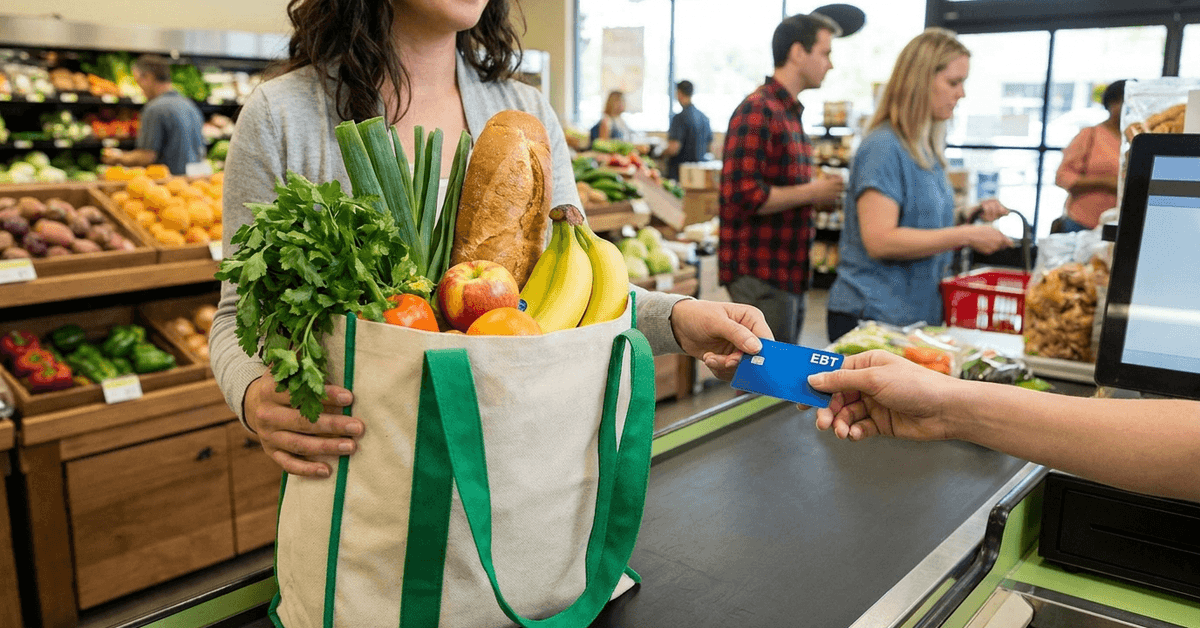
SNAP can help eligible households cover grocery costs. A successful SNAP benefits application may provide monthly assistance for use at authorized retailers.
- Benefits are issued electronically for use at participating stores.
- Eligible foods include fruits, vegetables, meat, dairy, bread, cereals, and other groceries.
- Employment does not automatically prevent eligibility if household rules are met.
- Benefits may preserve money for rent, utilities, transportation, or other essentials.
Who Can Apply for Food Stamps?
Eligibility varies by state, household composition, income, expenses, and other rules. Applicants should check state requirements instead of relying on one national income figure.

- U.S. citizens and certain qualified non-citizens may be eligible.
- Income tests apply, but state policies and household circumstances can change thresholds.
- Households with older adults or people with disabilities may have different rules.
- Some adults may need to meet work requirements unless exempt.
- College students enrolled at least half time usually need a specific exemption.
How to Start Your SNAP Application?
Applications are handled by state or local SNAP agencies, not directly by the federal government. The application route may include online, paper, mail, fax, or in-person options.
Online Applications
Many states provide portals for household information and documents. The USDA state directory links to official SNAP agencies and application information. Applicants should use official sites and keep confirmation records.
Applying In Person or by Mail
People preferring paper forms can contact their SNAP office. Local assistance can help when forms, language, accessibility, or technology create barriers. Applicants should ask how to submit documents securely and receive interview notices.
Documents Needed for SNAP Application
Requirements differ by state, but agencies usually verify identity, household details, income, and expenses. Preparing supporting documents early can reduce delays.
- Proof of identity, such as a driver’s license or state identification
- Social Security numbers or required identifying information for applicants
- Proof of income, including pay statements or benefit letters
- Housing information, including rent or mortgage costs when relevant
- Utility, child care, medical, or other expense records when requested
- Immigration documentation when eligibility depends on qualified status
The SNAP Interview Process
Most households complete an interview after applying. The interview purpose is to confirm information, clarify missing items, and review income or expenses, while applicants should answer accurately and provide requested verification by the deadline.
How SNAP Benefits Are Calculated?
The monthly amount depends on household size, income, deductions, and program formulas. Benefit calculations differ even when households have similar earnings, and the state agency determines the final allotment after reviewing verified information.
What Happens After You Apply?
States process regular applications under federal standards, while households meeting expedited-service rules can receive faster action. Processing times also depend on interviews and required verification.
Approval Process and Timeline
Regular applications generally must be processed within 30 days, while eligible expedited cases can receive access within seven days.
Once approved, benefits are placed on an EBT card for use at authorized retailers. The agency sends a notice explaining the amount, certification period, and reporting responsibilities.
If You’re Denied
A denial notice should explain the decision and appeal rights. Appeal options may include requesting a fair hearing within the listed period. Applicants can also provide corrected information or reapply when circumstances change.
Tips for a Successful SNAP Application
Preparation can reduce avoidable follow-up requests. These application tips work for online, mail, or in-person applications.
- Gather income, identification, housing, and expense records before starting.
- Enter household information consistently across forms and documents.
- Complete the interview and respond promptly to verification requests.
- Keep copies, screenshots, confirmation numbers, and agency notices.
- Report changes according to state instructions.
- Ask the SNAP office or a community organization for help when needed.
How to Keep Receiving SNAP Benefits?
SNAP approval lasts for a certification period. Ongoing eligibility usually requires recertification and reporting certain household changes.
Households should read notices and complete renewal steps before deadlines. Missing renewal requirements can interrupt benefits even when eligibility continues. State agencies explain what must be reported and when.
Where SNAP Benefits Can Be Used?
SNAP can generally buy eligible groceries at authorized retailers, including supermarkets and participating farmers markets. The benefit card works as an electronic payment method restricted to eligible purchases.
SNAP generally cannot pay for alcohol, tobacco, vitamins, household supplies, or most hot foods prepared for immediate consumption. Some states operate special programs or approved exceptions. Retailers can identify whether they accept SNAP.
Frequently Asked Questions About SNAP
Common questions involve terminology, other benefits, and student eligibility. These basic answers provide orientation, but cases should be confirmed with the state agency.
Is SNAP the Same as Food Stamps?
Yes, SNAP is the modern name for the federal program historically called food stamps. Electronic benefits replaced paper food coupons in regular use. Participants now access approved food benefits through electronic benefit transfer systems.
Does Receiving SNAP Affect Other Benefits?
SNAP has its own eligibility rules and may interact differently with other assistance. Program coordination depends on the benefit, household situation, and state administration.
Applicants should ask the relevant agency before assuming SNAP changes Medicaid, SSI, housing assistance, or another benefit.
Can College Students Qualify?
Some college students qualify, but those enrolled at least half time face additional restrictions. Student exemptions can include certain work, caregiving, disability, or employment-and-training circumstances. Students should check current rules because temporary pandemic-era exemptions ended.
Food Assistance Beyond SNAP
Households may also qualify for other food assistance programs based on age, income, family status, and location. These additional resources can include WIC, school meals, food pantries, senior nutrition services, or local emergency food support.
Conclusion
SNAP can provide important grocery support for eligible households facing food budgets. Applications are handled by state agencies and require verification, an interview, and recertification.
Applicants should use official information, respond to requests, and keep important records. Understanding the process can make it easier to pursue reliable food assistance with expectations.


