The demand for food delivery jobs in France continues to climb as more people embrace convenient meals at home. Deliveroo stands out as a leading platform, attracting both students and professionals alike.
This guide focuses on providing practical, up-to-date information for anyone curious about starting food delivery with Deliveroo in France. Whether you want side income or a flexible career, you'll find facts and actionable insights here.
Why Food Delivery with Deliveroo Is Popular in France
In recent years, the food delivery industry in France has experienced rapid growth. Cities like Paris, Lyon, and Marseille have seen rising consumer demand for home dining, driving continuous opportunities for couriers.
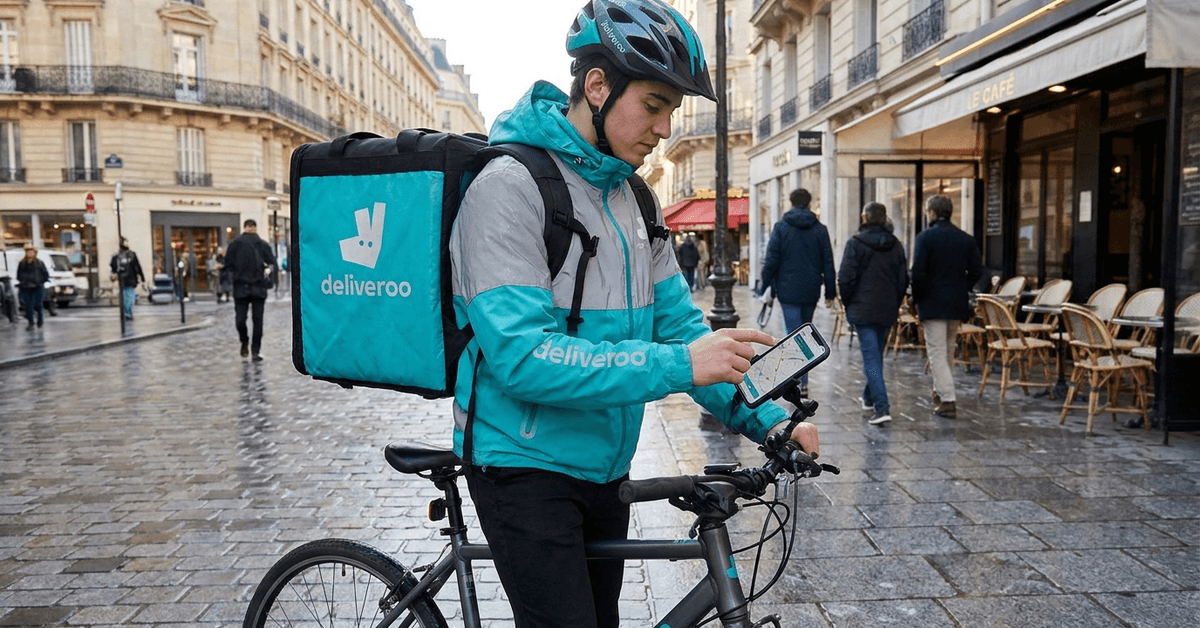
Joining Deliveroo presents the advantage of choosing your own hours and routes. For many, this flexibility suits changing schedules, studies, or even family life. The potential earnings can be attractive as well—especially during busy periods.
Compared to many part-time roles, working with Deliveroo tends to offer greater independence. Some couriers appreciate not having managers or direct supervision throughout their shifts, which can feel refreshing.
Who Can Apply to Deliver with Deliveroo in France?
The barrier to entry isn't particularly high. However, there are a few mandatory requirements everyone should consider when aiming to become a Deliveroo rider in France .
- Applicants must be at least 18 years old and possess the legal right to work in France.
- A bicycle, scooter, or car is necessary for deliveries, depending on your city’s regulations.
- Owning a smartphone with a data plan, as the app is essential for navigating and accepting orders.
- For scooters or cars, appropriate licenses, registration, and insurance are required under French law.
- Registration as a micro-entrepreneur (auto-entrepreneur status) is essential for invoicing and legal compliance.
These steps might seem numerous, but each one helps ensure both courier and customer safety across French cities.
What Documents Are Needed for the Application?
France has particular administrative expectations, so gathering the correct paperwork can save time. Here’s what typically comes up during the sign-up process:
- Valid government-issued ID or passport confirming age and work eligibility.
- Proof of address in France, such as a recent utility bill or rental agreement.
- French bank account (RIB) details to receive payments efficiently.
- Proof of vehicle ownership and insurance (for motor vehicles).
- Micro-entrepreneur registration certificate and SIRET number.
- A smartphone running iOS or Android, able to install the Deliveroo app.
For those registering as micro-entrepreneurs for the first time, expect additional paperwork with the French URSSAF system.
The Application Process: A Stepwise Overview
The journey starts online and generally follows the same structure for most French regions. Here's an overview:
Online Registration Form
All applicants sign up via the official Deliveroo France portal. The form asks for basic details: name, email, and city.
Profile Creation and Document Upload
Afterward, you'll create a rider profile and upload the required documents. Clear photos or scans will smooth verification.
Background and Driving Checks
Background verification and driving record checks follow, particularly for scooters or car riders. This ensures all legal criteria are met.
Set Up Micro-Entrepreneur Status
Applicants need to register for self-employed status in France. The process may take several days, and proof of this registration is mandatory before activating the courier account.
Equipment Selection or Rental
Once approved, new couriers get information about safety gear and delivery bags. Some may purchase or rent equipment, usually standardized for professional appearance and safety.
Install the Deliveroo Rider App
The final step is app installation. This is where shifts are scheduled and assignments managed. GPS features help optimize delivery efficiency for each shift.
Key Tips to Succeed as a Deliveroo Courier in France
Understand Peak Hours and Zones
Awareness of local demand cycles, like weekday lunches or weekend dinners, leads to more efficient work. Busy neighborhoods often yield the most income opportunities.
Maintain a Reliable Vehicle
Functional bikes and vehicles ensure timely deliveries and preserve your ratings. Regular checks help avoid missed orders and late-night complications.
Prioritize Customer Service
Friendly communication and quick delivery times build strong ratings, often resulting in better priority for high-value orders over time.
Monitor Earnings and Expenses
It's wise to track both your gross income and operational costs. Earnings depend on city, time, and even weather, so keeping tabs encourages smarter decision-making for long-term success.
Legal and Tax Implications in France
France treats Deliveroo couriers as self-employed workers. This status means income taxes and social contributions must be reported and paid periodically, often quarterly.
The micro-entrepreneur regime offers simplified accounting and tax rates, but every courier should keep accurate earnings and expense records.
Accident insurance (RC Pro) is not technically mandatory but highly recommended. Deliveroo also offers some insurance coverage for approved couriers. However, independent arrangements might offer broader protection for injury or equipment loss.
Official Application Link
Those ready to begin their journey can register directly on the official Deliveroo France application page. Be sure to have your documents ready and read current terms carefully.
Conclusion: Why Deliveroo Is a Flexible Work Option in France
Pursuing food delivery in France combines flexibility, predictable earnings, and practical self-employment. While the steps to get started may appear daunting at first, the growing gig economy offers real prospects.
Some people find the rhythm of city deliveries refreshing; others enjoy adapting their schedules around studies or family life. The independence, though, is probably the main attraction for most applicants.
Ultimately, Deliveroo's presence in France illustrates changing work patterns and how technology links consumers with a diverse network of couriers. Perhaps the initial paperwork is challenging, but the outcome is more autonomy—and the chance to earn on your own terms.