
Stepping into a logistics career opens an incredible range of opportunities. For anyone interested in stability, growth, and hands-on work, DHL hiring is a strong contender.
This article is crafted for job seekers, recent graduates, or anyone interested in logistics roles at a global company. By reading, you’ll gain strategic tips, real-life examples, and actionable steps for building a concrete career path with DHL.
Why DHL Stands Out for Logistics Careers
DHL remains a leader in global logistics because of its scope, innovation, and commitment to career advancement. The company operates in over 220 countries, which means roles are available from Berlin to Bangalore and beyond.
One reason many pursue a job at DHL is its steady pay, reliable hours, and team-oriented culture. The company frequently updates its logistics processes, employing advanced digital tools to streamline operations.
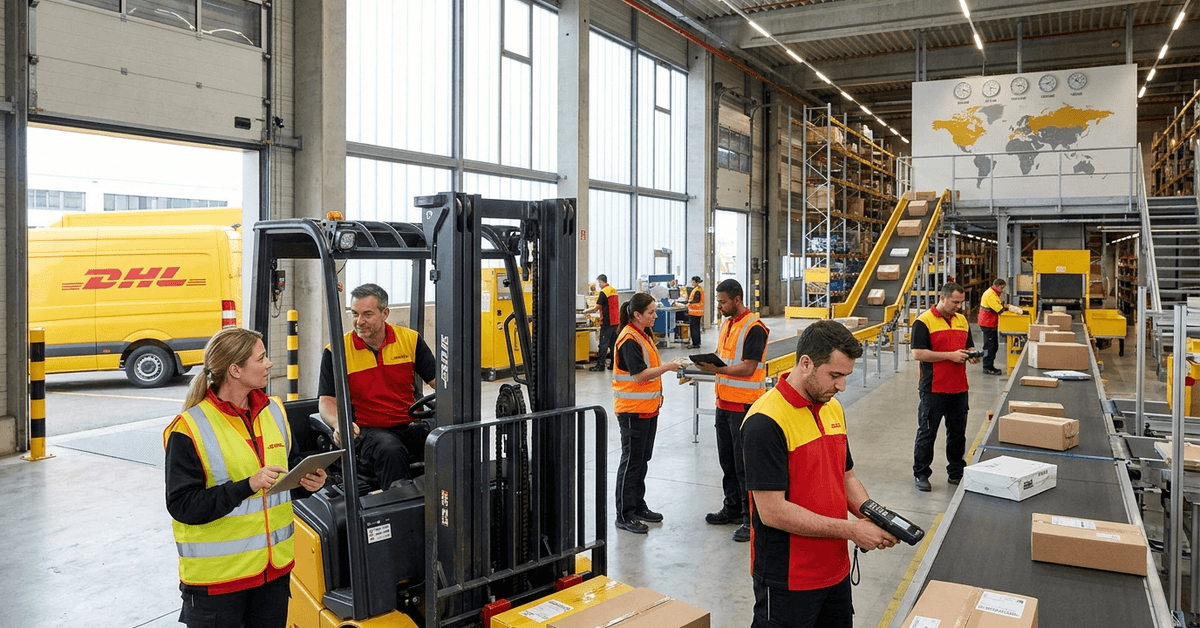
Remote job seekers will find a selection of positions in customer support, IT, and supply chain analysis. However, the core DHL workforce is hands-on: warehouse operatives, drivers, and on-site coordinators.
Types of Jobs Available at DHL
DHL careers extend far beyond delivering packages, with opportunities across warehousing, transportation, customer service, operations, and corporate functions.
Exploring the main job categories can help candidates find roles that match their skills and career goals.
Warehouse Operative
Warehouse operatives play a crucial role in DHL’s daily logistics chain. Duties often include picking, packing, inventory checks, and using handheld scanners.
- Locations: Warehouses in cities such as Leipzig, Chicago, and Singapore are hiring.
- Shifts: Day, night, and weekend options exist to support work-life balance.
- Helpful Tools: Mobile inventory apps, such as Fishbowl Inventory, are commonly used on the job.
Delivery Driver
Delivery drivers transport parcels, coordinate with dispatch teams, and provide the face-to-face customer experience DHL is known for. Cities facing high parcel volumes, such as London and Los Angeles, see strong hiring needs for drivers.
- Requirements: Clean driving records and the ability to use digital routing tools like Google Maps.
- Flexible Contracts: Both full-time and part-time schedules are possible.
Customer Service Representative
Customer service reps at DHL support clients by resolving shipment issues and tracking parcels. This role can often be performed remotely, especially for English-speaking markets.
- Qualifications: Strong communication skills and experience with contact center software like Zendesk.
- Key Responsibilities: Responding to calls, emails, and live chat requests.
Logistics Coordinator
Logistics coordinators manage schedules, route shipments, and solve unexpected delays. This job is fast-paced, demanding adaptability, and confidence with specialized software such as SAP or Oracle SCM.
- Main Cities: Frankfurt, New York, and Johannesburg.
- Recommended Experience: Previous work in shipping or freight forwarding helps.
How To Apply for DHL Jobs
Landing a DHL job follows a structured process. The official DHL careers page is the safest and most updated place to search for openings, with region-specific filters.
- Start by creating a profile on the official DHL Careers portal.
- Set up personalized job alerts for positions and cities of interest.
- Upload an updated CV and cover letter. Emphasize reliability and adaptability.
- Use LinkedIn to check for local recruiters or company announcements.
- Prepare for digital assessments or behavioral interviews. Many roles include online scenario testing.
Responses might take a week or two, sometimes longer if there’s high volume. Applicants who follow up politely via email stand out—but always use the official communication channels listed in job postings.
Interview Tips for DHL Logistics Roles
Interview processes at DHL tend to be practical, with a mix of behavioral and basic technical questions. In-person or video calls are standard, depending on the job location.
- Expect scenario-based questions about handling high-pressure situations.
- Mention specific experience using logistics software, such as Oracle Transportation Management.
- Be honest about gaps or changes on your CV. DHL appreciates transparency.
- If interviewing for physical roles, there might be an on-site assessment or short trial shift.
Training and Growth Opportunities
DHL invests in new hires through onboarding, digital learning modules, and certification programs. These help new employees get up to speed quickly, especially in rapidly changing cities.
Cities like Singapore, Milan, and Atlanta frequently offer mentorship or job shadow programs for entry-level staff. Training often covers safety, regulatory guidelines, and basic technical skills.
- Online training platforms include MyTalentWorld (DHL’s learning portal).
- Supervisors sometimes recommend external courses for career advancement.
- Ambitious employees can progress to management or specialist functions after 12 to 24 months.
Benefits and Compensation at DHL
DHL offers competitive pay rates, especially for warehouse staff and drivers. Compensation varies by country, but there are some unifying perks:
- Overtime pay for evening and weekend shifts.
- Paid breaks, sick leave, and sometimes shift bonuses (depending on site).
- Access to employee assistance programs for mental health and financial advice.
- Discounted shipping rates for employees and families.
Management roles come with extended healthcare, larger retirement contributions, and access to annual professional development.
Top Cities for DHL Job Openings
Some regions see higher job demand due to major e-commerce hubs or infrastructure hubs. The following cities consistently have DHL postings across logistics, warehouse, and driver roles:
- Leipzig, Germany: Host to one of DHL’s largest air hubs.
- Singapore: Key location for regional logistics coordination in Asia-Pacific.
- Chicago, USA: Major center for distribution, especially in peak retail seasons.
- London, UK: Diverse offerings from driver to management positions.
- Sydney, Australia: Growing market with regular seasonal hires.
Checking the DHL Careers page or reputable job boards for your nearest large city remains the most reliable strategy.
Essential Digital Tools for DHL Employees
Daily work at DHL depends on trusted technology. Employees are encouraged to learn and use leading industry tools:
- Google Maps and Waze: Popular for real-time routing and traffic updates.
- Zebra handheld scanners: Used in distribution centers and trucks.
- Fishbowl Inventory: Streamlines warehouse tasks with barcode tracking.
- Mobile apps for HR tasks (clocking in, requesting shifts, or accessing payslips).
Mastering digital systems can help employees move quickly into higher-paid or specialist roles.
Making the Most of a DHL Career
Advancement at DHL is realistic, especially for those who seek ongoing training and show initiative on the job. Employees who build connections with supervisors and participate in mentoring often progress faster.
- Seeking feedback after the probation period shows responsibility and ambition.
- Staying current with internal opportunities via the MyTalentWorld portal helps spot promotion tracks early.
- Volunteering for cross-department projects or filling-in during peak periods can highlight reliability to management.
Legal and Safety Considerations
All DHL positions come with clear legal and safety requirements. Candidates are briefed on building safety, equipment handling, and local employment laws. Adhering to these ensures a safe, sustainable work environment.
Safety briefings are sometimes city- or warehouse-specific, depending on regional laws. Strict compliance is always expected, especially in hazardous material or air-freight roles.
Conclusion: Key Takeaways for DHL Job Seekers
A DHL logistics career can provide opportunities to develop practical skills and explore different career paths over time.
Candidates can strengthen their prospects by preparing targeted applications, using official recruitment channels, and taking advantage of relevant training.
Consistent performance, safety awareness, and continued learning may support progression into specialist or leadership roles.


