Brasil Sorridente is Brazil’s national public oral health program within the Unified Health System (SUS), designed to expand free dental prevention and treatment for the population.
Global readers will recognize its model in public dental programs worldwide that combine education, primary care, and specialty services.
What the Program Delivers
Expand access to oral health, reduce inequalities in dental care, and improve quality of life through prevention, early diagnosis, and treatment.
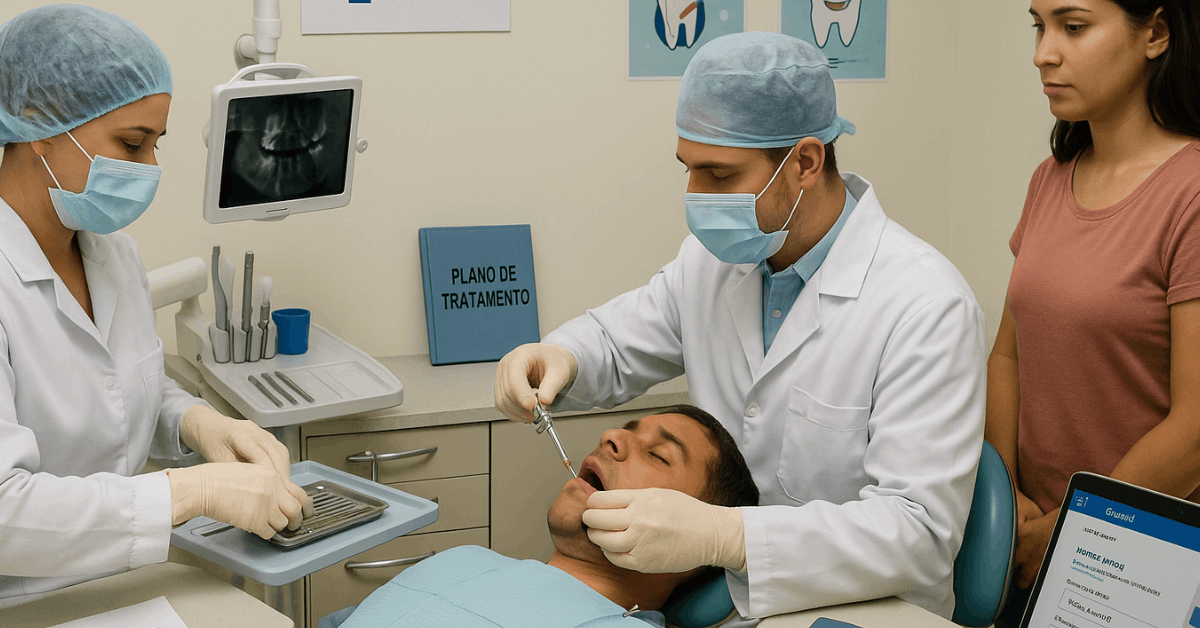
Program priorities include wider coverage inside SUS, lower rates of cavities and other oral diseases, availability of specialized procedures such as endodontics and dentures, and full integration of oral health in primary, medium, and high-complexity care.
Greater access prevents late diagnoses, raises oral-hygiene standards, and supports rehabilitation for patients who need complex care, which in turn reduces long-term health costs and complications.
Who Can Benefit
Eligibility prioritizes low-income families, children, pregnant patients, older adults, and people with disabilities, while not excluding other residents who require care under SUS referral criteria.
Documentation typically includes an identification document, a SUS or national health card when available, and proof of residence. Municipal health departments coordinate local access and can confirm clinic availability and scheduling rules.
Education and Prevention Benefits
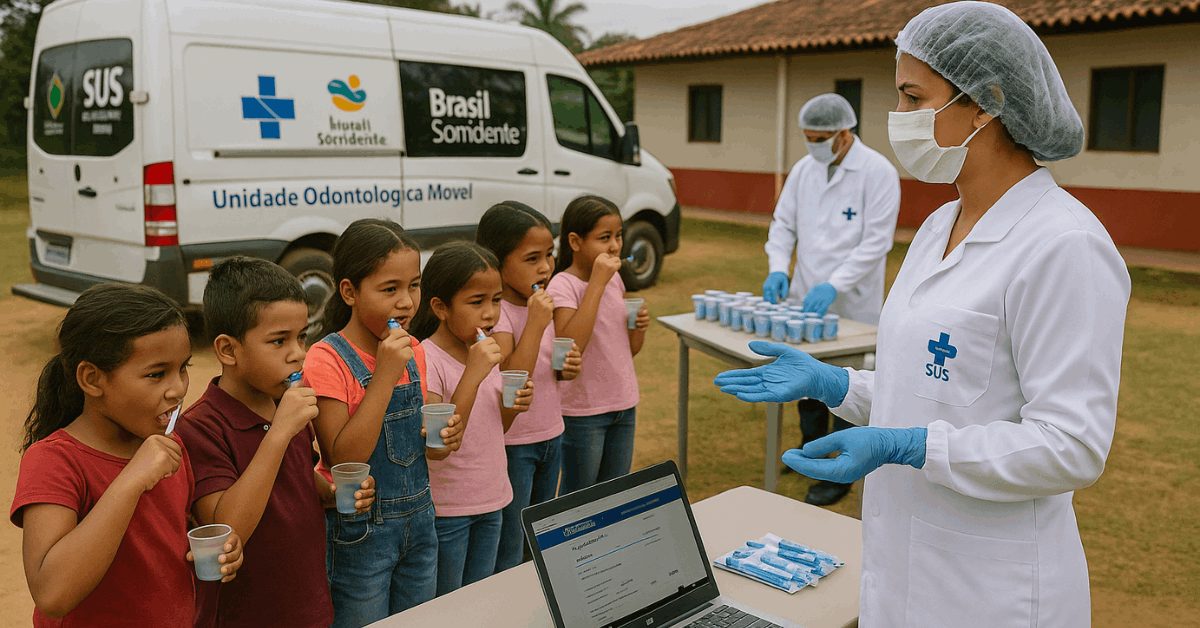
Workshops, supervised brushing sessions, and school-based activities build practical skills that reduce disease risk over time.
Fluoride application, distribution of oral-hygiene kits, and campaigns led by trained teams raise awareness, which in turn supports healthier daily routines at home. Professional training inside the network keeps staff current on prevention protocols and inclusive care for people with special needs.
Comparable prevention initiatives operate worldwide and remain the fastest route to measurable oral-health gains in large populations.
Services and Treatments Covered
Preventive counseling, prophylaxis, basic restorations, sealants, fluoride, and simple extractions address the most common needs close to home. Endodontic therapy, periodontal surgery, minor oral surgery, diagnostics for complex lesions, and adapted care for patients with disabilities expand the treatment spectrum.
LRPDs manufacture and fit full and partial dentures prescribed through UBS or CEOs, restoring function for patients who lost teeth due to decay or trauma.
Hospital services handle procedures that cannot be resolved in outpatient settings, ensuring continuity of care when surgical or medical support is required.
Access Flow Inside SUS
Starting at Primary Health Care remains the default entry point, ensuring orderly referrals and continuity.
UBS and Mobile Dental Units capture demand, deliver prevention and basic clinical care, and generate electronic referrals to CEOs when specialized procedures are indicated.
CEOs manage diagnostics and advanced treatment, request laboratory prostheses through LRPDs, and escalate unresolved conditions to hospital services. This network design prevents duplication, shortens diagnosis time, and keeps patients within a documented care pathway.
Where Care Happens: Clinics and Services
Long queues and mismatched expectations waste time; therefore, the table clarifies where to start and what each clinic typically provides.
| Service Point | What It Is | Typical Services |
| Basic Health Units (UBS) | Primary care clinics | Checkups, supervised brushing, fluoride application, basic restorative care, referrals |
| Dental Specialty Centers (CEOs) | Regional specialty hubs | Root canals, oral surgery, periodontics, care for patients with special needs, complex diagnostics |
| Regional Dental Prosthesis Labs (LRPDs) | Public labs supporting clinics | Fabrication and fitting of dental prostheses at no cost |
| Mobile Dental Units (UOM) | Traveling dental teams | Outreach in rural, indigenous, and remote areas; prevention and basic care |
| Hospitals / Oral Health Specialty Services (SESB) | High-complexity care | Procedures not solved in CEOs, surgical cases, in-hospital support |
Readers outside Brazil can look for community dental clinics, public specialty centers, or mobile dental vans delivering similar services worldwide.
How to Join: The Short Path
Confusion over the first steps delays treatment, which means following a simple sequence prevents repeat visits.
- Check eligibility: Confirm inclusion in a priority group or discuss your situation at a UBS reception desk.
- Find the nearest unit: Locate a UBS or CEO through the SUS portal or at a municipal health desk.
- Book an appointment: Use online scheduling where offered, otherwise call or schedule in person.
- Prepare documents: Bring ID, SUS card if available, and proof of residence for registration.
- Attend the first visit: Open a record at the UBS and follow referral guidance when specialty care is indicated.
What Happens After Enrollment
An oral-health professional collects history, examines teeth and gums, and orders imaging when needed to define the problem list. Risk factors such as diet, smoking, and hygiene practices are reviewed to tailor prevention.
A written plan sets procedures, visit cadence, and self-care instructions. Basic needs are handled in primary care, while cases requiring endodontics, oral surgery, or complex periodontal care move to a CEO through a formal referral.
Attendance at scheduled visits, adherence to hygiene guidance, and prompt reporting of issues keep the plan on track. Completion involves clinical discharge to routine prevention or continued follow-up for long-term conditions.
Costs, Timing, and Practical Tips
High demand sometimes creates waiting lists, therefore a few habits improve outcomes and timelines.
- Arrive prepared: Carry identification, health card, and proof of residence to avoid rescheduling due to incomplete registration.
- Confirm scheduling rules: Municipal health departments publish intake hours and referral windows that change during campaigns or staffing updates.
- Keep appointments: Missed visits extend queues and may require re-triage, delaying procedures such as root canals or dentures.
- Ask about outreach days: Mobile teams periodically visit schools, rural areas, and community centers, that way prevention services reach those far from fixed clinics.
- Note cost policy: Care under Brasil Sorridente is free inside SUS; similar public programs worldwide typically follow local eligibility rules.
Quick Locator Checklist
Time spent searching across multiple doors adds frustration, use this short locator plan to start correctly.
- Go to the nearest UBS to register and obtain triage.
- Accept referral to a CEO when specialized care is indicated.
- Request prostheses through your dental team, which forwards the case to an LRPD.
- Follow hospital referral only when CEOs confirm high-complexity needs.
Conclusion
Participation costs nothing, and the pathway centers on primary care supported by specialty hubs and public laboratories.
Consistent attendance, adherence to hygiene guidance, and use of prevention activities raise success rates while lowering future treatment needs, a pattern observed across public oral-health systems worldwide.