
If someone is considering applying for an Inter Bank credit card , there’s a good chance it’s not just about convenience. For many, it’s about building financial flexibility, taking advantage of rewards programs, or possibly improving a credit score over time.
This article explores what’s really involved in the process. It’s designed for readers who want practical information, not sales pitches—just a clear look at how to apply and what to expect.
Understanding Inter Bank Credit Cards: What Sets Them Apart
Before diving into application steps, it helps to know what makes Inter Bank’s credit card products unique. They typically offer a range of choices—everything from basic cards to premium packages with travel or shopping perks.
Compared to cards from larger global banks, several Inter Bank cards feature slightly more flexible approval standards. That said, the features and terms can differ markedly between products.
Popular Features
- Earn points or cashback on everyday purchases (sometimes with focused categories like groceries or dining)
- Secure digital banking and contactless payment
- Accessible customer service channels
- Transparent annual fees and interest rates
Sometimes, potential applicants overlook the small print—so always reviewing specifics on Inter Bank’s official site can clarify fine details.
Eligibility Criteria: How to Know If You Can Apply
One of the very first steps is determining eligibility. Requirements may vary depending on the specific card. Still, in most cases, applicants are expected to:
- Be at least 18 years old (21+ is common for premium credit cards)
- Provide valid government-issued identification
- Show evidence of a regular income (such as pay slips, bank statements, or tax declarations)
- Hold residency or citizenship status in the issuing country
In practice, these requirements aren’t unique to Inter Bank, but the documentation asked for might change between cards. Applicants who have a thinner credit history—or who are just entering the workforce—could find more accessible options among entry-level cards.

Application Process: What to Expect, Step by Step
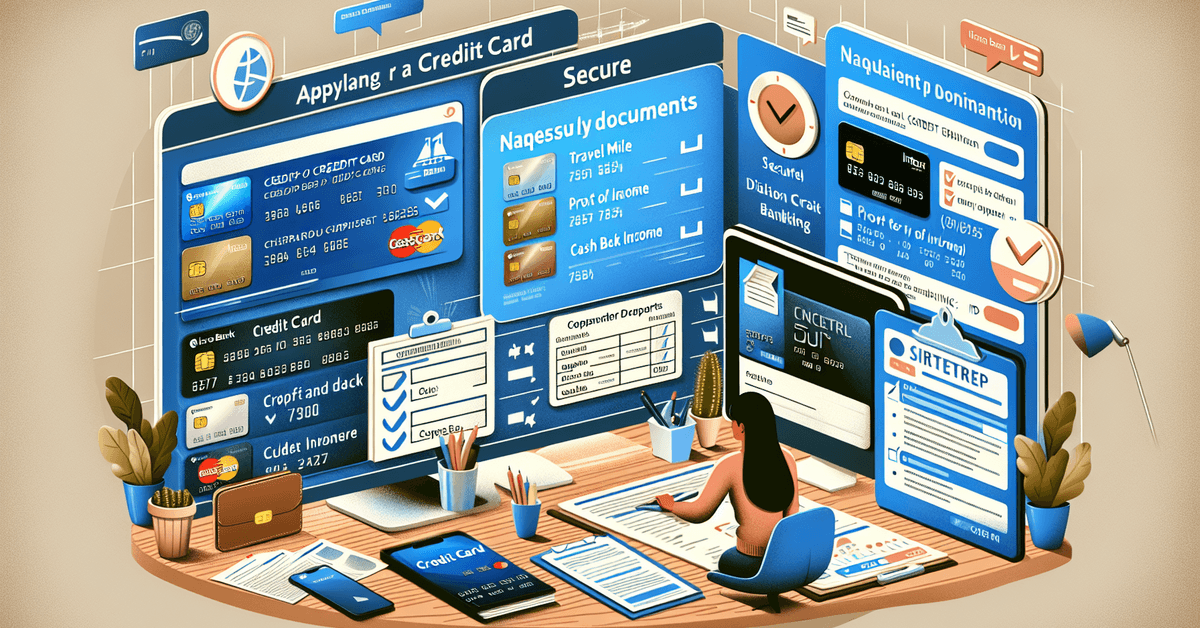
For most Inter Bank credit cards, the application process can be completed online, though in-branch applications are also available in some regions. Here’s a general outline of how the process works, though real-life experiences may differ slightly:
Step 1: Compare Available Card Options
A lot of people start the process by jumping to an application form, but it might be more helpful to compare cards first. Looking at annual fees, interest rates, and rewards programs side by side can reveal which card fits best.
Step 2: Gather Required Documentation
- A government ID (passport, driver’s license, national ID)
- Proof of regular income (bank statements, recent pay slips)
- Proof of residence, if required (utility bills or rental agreements)
- Social Security Number or tax ID, depending on jurisdiction
Having these documents on hand tends to make the application much smoother. However, unexpected requests for further verification can sometimes occur.
Step 3: Submit the Application
The online application usually asks for contact details, financial information, and a confirmation of eligibility criteria. Occasionally, users report finding the forms a bit repetitive – but accuracy is important since incomplete data may delay processing.
Step 4: Initial Review and Credit Check
At this point, Inter Bank generally performs a credit assessment . This could involve checking an applicant’s credit bureau file and may result in a temporary inquiry on the report. Some readers might worry about the impact, but a single hard inquiry isn’t usually a major issue.
Step 5: Await Approval and Card Delivery
If approved, a confirmation email typically follows, and the card should arrive within a few business days to two weeks. If declined, there’s sometimes an opportunity to provide updated documentation or apply for a different product better suited to the applicant’s profile.
Comparison Table: Inter Bank Credit Card Options (Example)
| Card Name | Annual Fee | Rewards | Credit Requirement |
|---|---|---|---|
| Standard Card | Low | Cashback | Basic/Good |
| Travel Card | Moderate | Miles & Points | Good/Excellent |
| Shopping Card | Low | Retail Discounts | Basic/Good |
(*Note: For up-to-date product details, consult the Inter Bank credit card portal.)
Additional Considerations: Fees, Terms, and Responsible Use
Terms and conditions catch people out more often than one might think. Some Inter Bank credit cards come with introductory offers, like a zero-percent APR for a few months or bonus points for early spending. Those deals have end dates and usage limits, so reading the terms is critical—even if it feels tedious.
Common Fees to Watch For
- Annual fees (sometimes waived for the first year)
- Late or missed payment fees
- Foreign transaction charges
- Over-limit or cash advance fees
Missing a payment can affect a credit score and result in extra costs down the line. Setting up payment reminders or automatic transfers through online banking is one way to avoid issues.
Responsible Credit Card Management: Tips for New Cardholders
Some applicants are first-time cardholders, while others might have experience with other institutions. Regardless, a few smart habits can help keep finances on track after approval:
- Only spending amounts that can be repaid in full each month
- Reviewing monthly statements for errors or unauthorized transactions
- Monitoring the reward program or benefits portal for seasonal promotions
- Contacting customer support early if difficulties with payments arise
Points or cashback are popular perks, but missing payments will quickly outweigh rewards. A little caution at the beginning can prevent headaches later.
Security and Fraud Protection: What Applicants Should Know
With rising digital threats, card security is always a concern. Inter Bank’s credit cards typically include 24/7 fraud monitoring, options to freeze lost cards instantly via mobile app, and alerts for suspicious activity. Double-checking security settings after activation rarely takes long and can provide extra peace of mind.
Those uncertain about sharing personal or financial info online might prefer an in-person application at a branch. Just remember to bring documentation and allow a longer processing time.
Where to Get Help or More Information
Sometimes questions don’t have one-size-fits-all answers. That’s why consulting Inter Bank’s support resources or speaking with their helpline staff can help clarify unique queries.
Community forums or third-party personal finance sites may also offer perspectives from past applicants—yet relying solely on official information is safest for privacy and security.
Frequently Asked Questions About the Application Process
- Does applying hurt my credit score? – A single inquiry is typical, but repeated credit checks over short periods may have a greater effect.
- Are students or non-residents eligible? – Sometimes special student cards exist. Non-residents may need to demonstrate local income or residency.
- What if I’m denied? – Reviewing the denial reasons and improving on them before reapplying often increases the odds next time.
Conclusion: Practical Benefits and Next Steps
A credit card from Inter Bank could be an excellent financial tool—if it matches the applicant’s needs and is managed wisely. Understanding the process, comparing options, and reviewing official terms all help with making a sound decision.
Those feeling ready might want to explore the application page or request personalized advice through official channels. Knowing what to expect removes much of the uncertainty. Responsible use not only offers greater spending flexibility, but also helps with building a healthy financial track record over time.
For more practical tips, see our related guides to choosing the right financial product for your lifestyle and maximizing credit card rewards.