
Japan draws thousands of job seekers each year, particularly for roles in factories, packaging, and light industrial work. These jobs offer stable income and sometimes on-site accommodation.
This guide is designed for foreigners and residents interested in joining this workforce. It provides the most actionable steps and trusted resources to help streamline the application process.
Why Factory and Packing Jobs Are in Demand in Japan
Japan’s manufacturing industry is massive. It includes electronics, auto parts, and food packaging.
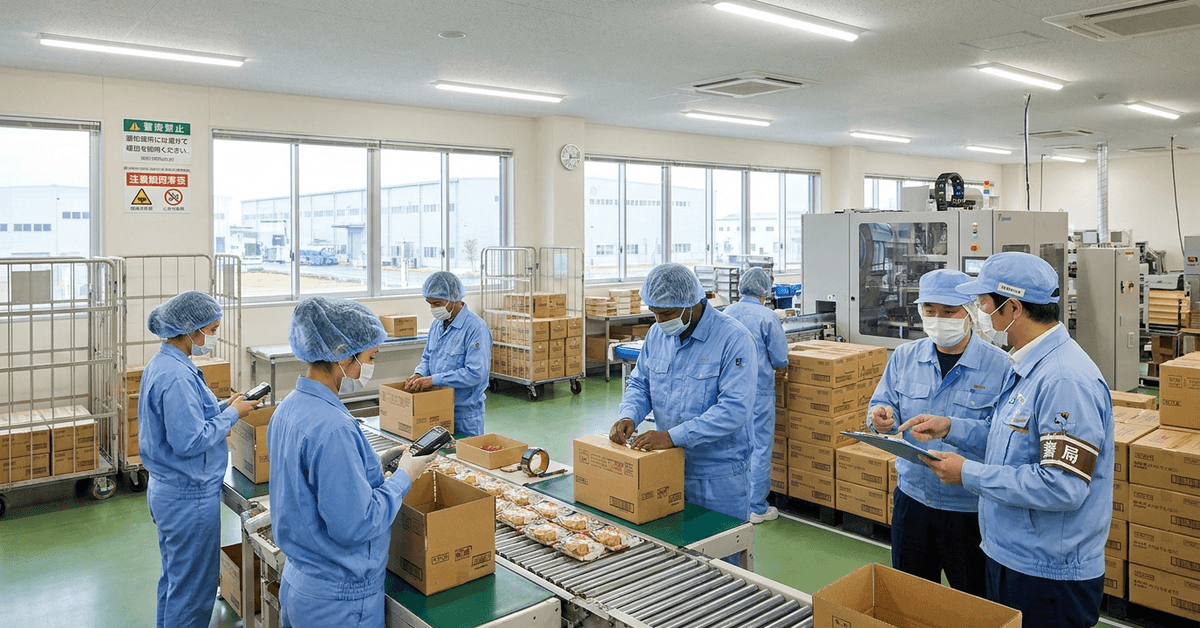
Many positions do not require advanced Japanese skills, making them accessible to newcomers. Entry requirements also tend to be minimal compared to office jobs.
Where to Find Factory and Packing Jobs
Finding factory and packing jobs becomes easier by exploring reliable job portals, recruitment agencies, and company websites. These resources help applicants discover available positions and compare employment opportunities.
Best Cities for Jobs
Japan offers various factory and packing job opportunities across major industrial cities and manufacturing regions.
Exploring locations with strong manufacturing and logistics sectors can help applicants identify suitable positions based on their experience, skills, and preferred working conditions.
- Nagoya is a manufacturing hub with large automotive and electronics plants.
- Osaka offers many warehouse jobs, especially in food and logistics.
- Gunma and Tochigi are popular for auto part assembly work.
- Fukuoka often hires for packing and quality control roles.
Key Online Job Platforms
Using reliable online job platforms can simplify the search for factory and packing jobs in Japan. These websites help applicants explore available vacancies, compare employment requirements, and find opportunities that match their qualifications and language abilities.
- GaijinPot Jobs lists factory roles with English summaries.
- Jobs in Japan posts both full-time and temp positions.
- YOLO JAPAN specializes in jobs for international residents.
- Indeed Japan has extensive listings, often updated daily.
Checking Japanese-language apps like Hello Work can also increase job options, though it helps to have basic Japanese reading skills.
Basic Requirements to Apply
- Valid visa status (such as working visa, student visa with permission, or a dependent visa).
- Minimum age of 18 years.
- Basic health check for most physical roles.
- Willingness to work shifts, including nights or weekends.
Some companies ask for conversational Japanese, but not all. Reading job ads carefully is essential to verify expectations before applying.
Step-by-Step Guide to Applying
Applying for factory and packing jobs in Japan involves preparing documents, finding suitable vacancies, and completing the employer's recruitment process. Understanding each stage helps applicants stay organized and avoid common application mistakes.
Step 1: Gather Documents
Preparing the necessary documents before applying can help simplify the hiring process. Employers may request identification, proof of work eligibility, and a properly formatted resume.
- Passport and valid residence card (Zairyu card).
- Resume (Rirekisho) written in Japanese format. Templates are available online.
- Visa document showing eligibility to work.
Step 2: Search and Shortlist Jobs
Finding suitable job opportunities requires exploring reliable recruitment platforms and comparing available positions. Focus on vacancies that match your skills, preferred location, and working schedule.
- Check job boards each day. Refreshing listings in the morning helps identify new postings.
- Filter by keyword like "factory worker," "packing staff," or specific city names.
Step 3: Apply Online or Visit an Agency
Submitting applications through official employer websites or reputable recruitment agencies can make the process more convenient. Ensure your information is accurate and review all job requirements before applying.
- Many employers allow direct web application, attaching scanned documents.
- Alternatively, specialized foreign job agencies can support the process, communicating on your behalf if needed.
Step 4: Prepare for Interview
Preparing for job interviews helps applicants communicate their qualifications and understand employer expectations. Reviewing common interview questions and workplace responsibilities can improve confidence during the recruitment process.
- Expect basic questions about shift availability, health, and any previous experience.
- Some places conduct group interviews, especially for large-scale hiring.
Step 5: Attend Orientation and Medical Check
After receiving a job offer, applicants may need to complete workplace orientation and any required medical examinations.
These procedures help employers verify job readiness and introduce important workplace safety standards before employment begins.
- Successful candidates typically attend a 1-day safety orientation before starting work.
- Medical checks may be performed on the same day or separately. Following all pre-employment protocols boosts success.
Visa and Work Permit Guidance
Factory jobs usually fall under "Specified Skilled Worker (Tokutei Ginou)" or "Technical Intern" visas. Each path has specific documentation.
Technical Intern Training visas often require sponsorship from companies or sending organizations. The Specified Skilled Worker route is more flexible and allows job switching within covered industries.
Some employers sponsor visa changes if you demonstrate reliable performance. It is common for interns to progress to skilled worker status after a period.
What to Expect on the Job
Understanding daily responsibilities, workplace expectations, and potential earnings helps applicants prepare for factory and packing jobs in Japan while making informed employment decisions.
Typical Working Conditions
Factory and packing jobs in Japan often involve structured shifts, repetitive tasks, and specific safety procedures. Knowing these conditions helps workers prepare for daily responsibilities.
- Shifts generally last 8 hours, with paid overtime as needed.
- Many roles are standing, involving repetitive hand tasks or packing.
- Protective clothing and masks are provided for food-related facilities.
Salary Ranges by Region
Earnings for factory and packing workers vary depending on job location, shift schedules, experience, and overtime opportunities. Comparing regional wages helps applicants evaluate potential income.
- Hourly wages in major cities start at 1,050 to 1,300 yen.
- Rural placements or night shifts pay more, sometimes up to 1,600 yen per hour.
- Monthly take-home pay depends on overtime hours and benefits like accommodation.
Seasonal bonuses or transport subsidies may be available depending on the company.
Useful Apps and Tools
Using reliable apps and digital tools can help factory and packing workers in Japan find jobs, manage schedules, and navigate daily tasks. These resources support better communication, organization, and workplace efficiency.
- Google Translate assists with reading job ads and communicating at work.
- LINE is commonly used for team messages and HR communication.
- Shufti or JobMedley post frequent warehouse job openings.
- Maps.me helps with navigation to factories or agencies, particularly outside big cities.
Practical Tips to Improve Your Factory Job Application
Securing a factory or packing job in Japan requires careful preparation, accurate documentation, and an understanding of employer expectations.
Following practical application strategies can help candidates avoid common mistakes, highlight relevant skills, and improve their chances of getting hired.
- Carefully tailor your resume for each employer, emphasizing any physical or manufacturing background.
- Arrive on time and bring extra photocopies of your documents to interviews.
- Politeness and reliability are highly valued. Even small gestures help make a strong impression.
- Double-check visa requirements for each job post. Employers appreciate preparedness and clarity.
Practical Solutions to Common Factory and Packing Job Challenges
Working in Japan's factory and packing industry may involve language barriers, physically demanding tasks, and unfamiliar workplace expectations.
Understanding these common challenges and exploring practical solutions can help workers adapt, improve productivity, and maintain a positive work experience.
- Language barriers can slow onboarding. Practicing basic Japanese greetings and phrases makes a noticeable difference.
- Shifts may be long or change frequently. Asking about schedules upfront helps avoid surprises.
- Some roles are physically demanding. If unsure, requesting a walk-through before accepting is reasonable and sometimes encouraged.
Conclusion
Factory and packing jobs in Japan offer employment opportunities for qualified applicants seeking experience in manufacturing and logistics.
Researching vacancies, preparing a tailored resume, and understanding visa requirements can simplify the application process.
Adapting to workplace expectations and developing communication skills can support long-term success. With proper preparation, candidates can explore suitable positions and build valuable work experience in Japan.