Trying to track a cell phone using only its number, and for free, is a common curiosity. Maybe a loved one is unreachable or, perhaps, a lost device is causing anxiety. This article explores the facts, debunks myths, and highlights safe, respectful approaches.
If you're concerned about legality and actual methods that work , reading further can bring clarity. This piece is especially useful for individuals who want a realistic understanding of what’s achievable—without falling into risky traps.
Understanding Cell Phone Tracking: What Does It Mean?
The term cell phone tracking can mean several things. Sometimes it refers to finding a lost phone. Other times, it’s about keeping tabs on someone’s location. In most cases, the hope is that a number alone offers a way in.
But the reality is more nuanced. Privacy concerns and technology limitations play a role. It’s easy to assume there’s an app or simple trick, yet real-world options have limits.
Is It Really Possible to Track a Cell Phone by Its Number for Free?
Plenty of websites and ads claim effortless, no-cost tracking just from a number. For most people, these offers sound tempting.
But here’s the uncomfortable truth: reliable, free tracking from a number—without the device owner's consent—just isn’t available to the general public. Certain authorities or emergency services can do this, but regular users face strict limits due to privacy laws.
Attempts to try online tools often lead to disappointment or worse—personal data risks or malware. It’s concerning, frankly, how many misleading services exist. So if all those "track by number free" sites seem too good to be true, well, maybe they really are.
Legal and Ethical Considerations
Before exploring actual tracking methods, it’s crucial to consider legal and ethical boundaries. Laws protecting privacy differ by country and region. In most cases, tracking someone without permission is illegal and, of course, unethical.
Even if anxiety is high, it’s essential not to cross privacy lines. Consulting local laws or privacy resources is always a good idea before trying anything risky—even if the internet says it’s fine.
Many popular apps require consent and notification, which isn’t just for show; it protects both parties. There’s something reassuring knowing your own device can’t easily be tracked by strangers, too.
What Methods Actually Work? (With Permission)
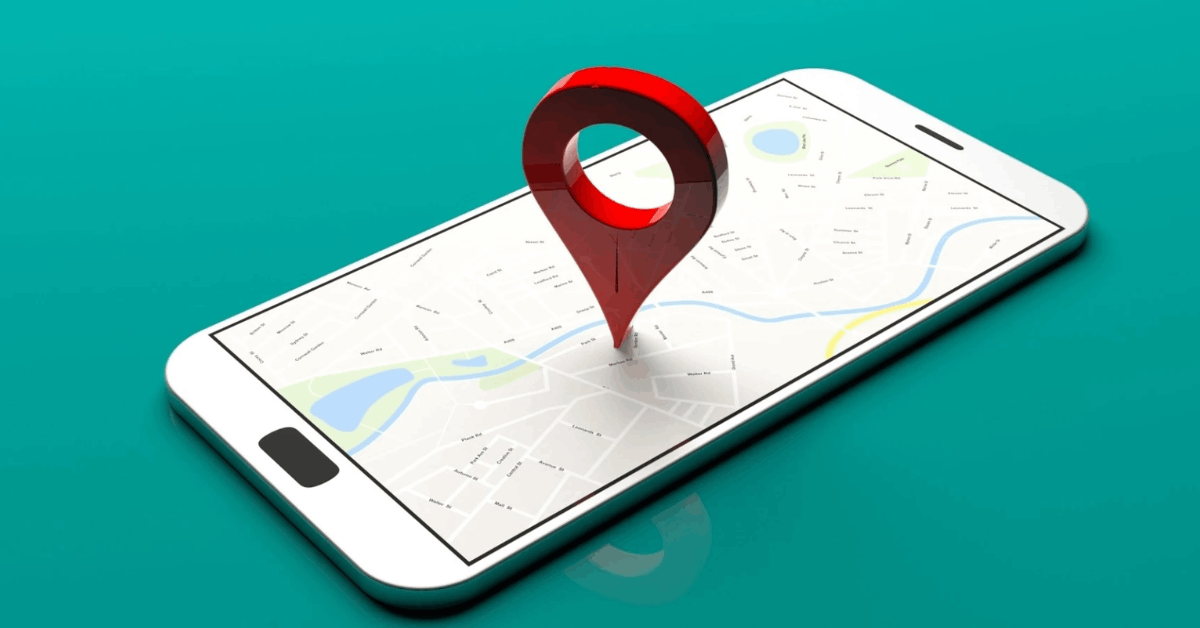
Assuming the goal is responsible and permission is granted, a few proven, free ways exist to locate a phone . Most depend on the user’s involvement and device settings. Here are the most reliable:
Google Find My Device (Android)
Android users benefit from Google's built-in tracking. If the device has Find My Device enabled and is connected to the internet, it can be located through a Google account.
Just log into the account associated with the phone on the Find My Device website. With a bit of luck, the phone will appear on a map. This method is efficient, user-verified, and does not require third-party apps.
Apple Find My iPhone (iOS)
Apple users have Find My (previously called Find My iPhone). Similar to Google’s tool, it needs to be enabled and the phone must be online. Through iCloud, users sign in and view all connected devices.
It’s familiar, secure, and—under the right conditions—quite reliable. Notably, this isn’t tied to just knowing a phone number, but rather the user account.
Family Sharing or Trusted Contacts
Both Android and iOS support location sharing with chosen contacts. In emergencies or day-to-day life, this function allows real-time sharing with family members or friends.
Of course, prior approval is a must. Set up is usually quick, and it’s surprisingly effective in practice. Many families already use these features for peace of mind.
Telecommunications Provider Assistance
In rare cases—such as a stolen phone or emergencies—it’s possible to seek help from your carrier.
Providers might locate a phone, but only with proof of ownership and typically only for the account holder. Again, simple number tracking isn’t open to the public except in serious situations.
Risks and Scams to Avoid
Online, a pile of services promise free phone tracking by number . Many border on scams.
Some lead to endless surveys, suspicious downloads, or requests for personal info. It’s wise to approach with skepticism. If something asks for repeated information without delivering results, or tries charging midway, that’s a red flag.
Other dangers include malware lurking inside tracking apps. Some tools are outright illegal or could lead to serious privacy breaches.
Reviewing app reputation, reading real reviews, or consulting dedicated security forums can provide real protection.
Reasons People Want to Track a Cell Phone
Not everyone aiming to track a phone is up to no good. Sometimes a lost or stolen device sparks the search.
Other times, parents want to know their child's whereabouts or partners feel concerned. Even professionals misplace work phones. Each scenario has its own urgency, and, honestly, the anxiety is real.
Still, acting responsibly makes a difference. Sometimes, just properly setting up security settings beforehand is the best prevention. It’s a bit of irony that most people try to track phones only after something goes wrong.
Safe, Alternative Ways to Keep Track of Important Devices
Those seeking constant peace of mind might benefit from proactive approaches. Several alternatives exist beyond drastic tracking attempts:
- Set up location sharing with trusted contacts in advance
- Regularly back up important data to minimize loss
- Add lock screen info so someone can contact you if they find the device
- Use security apps from reputable sources, never random downloads
- Note your phone’s IMEI number for carrier reporting if lost
These steps may seem basic, yet their impact is huge if trouble appears later.
Educational Resources and Further Reading
For those eager to understand more, several reputable organizations and platforms offer guidance:
- Google Privacy Help Center
- Apple's Safety & Privacy resources
- Local law enforcement cybercrime units
- National Computer Security Centers
- Online safety advocacy groups
Staying informed on rights, responsibilities, and digital safety can protect both yourself and those you care about.