
Food delivery is reshaping cities across Europe, and Switzerland is no exception. Whether you’re a student, expat, or simply after flexible work, many consider delivering with Uber Eats in Switzerland as a practical option.
If you’re curious about what’s actually involved, and how the process works here, this guide aims to spell everything out.
You’ll find clear insights on requirements, onboarding, and what to expect out on the road. It’s based on real steps that can help anyone considering a start as a delivery partner.
Why Choose Uber Eats for Delivery Work in Switzerland?
Switzerland’s food delivery scene is growing, with cities like Zurich, Geneva, Lausanne, and Basel becoming quite active hubs.
The gig economy isn’t for everyone, but it attracts people looking for income on their own terms.
Flexible Opportunities for Different Lifestyles
Some might need work after classes, others in-between jobs, and quite a few just want more from their evenings or weekends. With Uber Eats , the schedule can line up with nearly any routine, no long-term obligations attached.
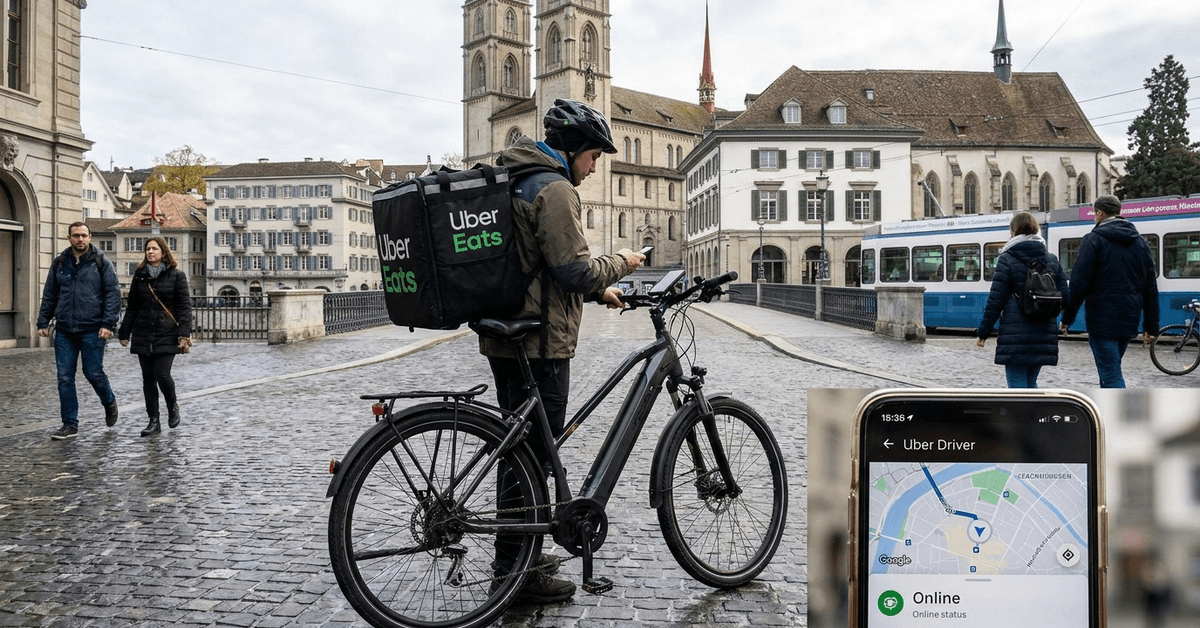
Consistent Demand in Swiss Cities
Across Switzerland, from Zurich’s old town to Geneva’s lakeside, demand for timely deliveries adds up.
I remember seeing more bikes with food bags each month—even on snowier evenings—which probably says a lot about ongoing opportunity here.
No Special Certifications Needed to Start
Compared to other side jobs, there aren’t formal training requirements. For many, that makes jumping in feel a bit more straightforward. Of course, some paperwork is inevitable, but nothing overly complex.
Basic Requirements to Deliver with Uber Eats in Switzerland
While options are open to many, Switzerland’s specific legal standards apply here. Before considering signing up, it’s useful to understand what’s non-negotiable as of now.
Minimum Age and Legal Right to Work
Applicants need to be at least 18 years old. It’s also essential to have the legal right to work in Switzerland—meaning a valid Swiss ID, residence permit, or suitable work visa.
Vehicle Requirements
Accepted transport methods are generally: bicycle, electric bike, scooter (50cc or less), or car. Vehicles must be roadworthy, with current insurance and registration. In some areas, electric scooters are picking up, but local laws remain key.
Smartphone and Mobile Data Access
The Uber Eats Courier app runs on iOS or Android. A reliable mobile plan is necessary; since navigation and delivery details rely on live updates, weak data connections can become an obstacle.
Background Checks and Insurance
Uber Eats may run a background check during application. Third-party liability insurance is required in Switzerland, so insurance documents are part of the sign-up—a standard step for on-the-road work.
Step-by-Step Guide: The Application Process
Connecting with Uber Eats as a delivery partner in Switzerland involves a few predictable steps. Here’s a transparent outline—from signup to your first delivery.
1. Online Registration
You’ll start by creating an account on the official Uber Eats Switzerland courier page. Basic info such as name, contact details, city, and delivery method are required from the start.
2. Submit Required Documents
Clear scans or photos of your valid ID, work permit (if needed), vehicle documentation, and insurance policy are uploaded online. This is double-checked for compliance with Swiss standards.
3. Pass the Background Verification
Uber, as a global platform, carries out a background check. This often involves checking for major driving offenses or criminal records. Usually, it takes just a few days, but occasionally it might be a longer wait.
4. Download and Activate the Uber Eats Delivery App
Once approved, you receive instructions to install the Uber Driver app. After logging in, your city and delivery method activate, and you can review onboarding materials directly inside the app.
5. Receive or Purchase Necessary Equipment
For food safety, insulated delivery bags are necessary. Sometimes Uber Eats provides a branded bag at cost price, but independent options are allowed, provided they meet hygiene and thermal requirements.
6. Start Accepting Orders
Once equipment is set up and the app is working, you’ll see live order requests mapped out in your area. There’s no fixed shift structure; log in when you’re ready and offline whenever you prefer.
How Payments and Earnings Work in Switzerland
Understanding the earning side is vital—especially for those relying on this income. Uber Eats operates with a clear weekly pay system here, but rates and bonuses might differ between cities.
Order-By-Order Payouts
Earnings come from a mix of base fare, distance fee, and sometimes dynamic boosts (during busy times). Occasional promotions or incentive structures can provide extra opportunities when demand spikes.
Payment Timing and Method
In Switzerland, payouts are made weekly, straight to your Swiss bank account. Transactions are tracked in the app’s earnings tab, letting you review totals at any time. It’s all electronic—no cash handling.
Transparency and Deductions
While rates are visible per order, Uber Eats deducts a service fee from each delivery. Occasional customers tip via the app, but it’s perhaps best not to count tips as predictable income.
Legal and Tax Considerations for Swiss Couriers
Working as a delivery partner in Switzerland is classified as self-employed work. That brings additional obligations distinct from typical employment arrangements.
Managing Self-Employment Status
In most cantons, you have to register as self-employed with the social insurance office ( AHV/AVS ), ensuring regular contribution payments. Not everyone realizes this at first, which can impact future tax bills if skipped.
Filing Income Taxes
Annual earnings must be declared, with the tax year ending December 31 in Switzerland. Keeping all invoices and digital payment records from the Uber app is suggested for easier reporting when tax season arrives.
Liability and Health Insurance Considerations
While third-party liability insurance is the legal minimum, Swiss health insurance requirements apply as well. Unexpected incidents—like a cycling accident—make double-checking personal coverage a responsible step.
Tips for Smoother Deliveries and Safer Experiences
Working as an independent courier can mean less structure than other jobs. It’s helpful to think beyond just earning—there’s efficiency, comfort, and security to consider in every shift.
Get to Know Your Local Routes
Each Swiss city splits into quarters that can be tricky at first. Spending a bit of time learning main roads, shortcuts, and popular delivery zones really improves your first few shifts—not that you’ll ever feel completely expert.
Dress for the Swiss Weather
Sudden changes are typical—rain, wind, or even the odd early snow flurry. Comfortable and visible clothing (and gloves) can help you last through Zurich’s drizzles or Lausanne’s colder nights.
Keep Your Device Charged
Since all orders, routes, and payments depend on your phone, a portable battery—is it obvious?—is probably more useful than most beginners expect. Signal drops or a dead phone can bring a shift to a sudden halt.
Swiss-Specific Platform Features and Support
Uber Eats operates slightly differently here than in many countries. Some regions offer customer support via chat in the app, and multiple language options. This brings peace of mind if you’re navigating the city as a newcomer.
Live Order Management
You manage orders, track deliveries, and troubleshoot issues with the in-app support tool, which is available in German, French, Italian, or English. Community forums sometimes offer extra local advice too.
Access to Promotions and In-App Bonuses
Swiss couriers frequently notice in-app promotions—maybe not always huge, but small weekly boosts during peak hours help maintain a steady flow of orders. It’s not mandatory to chase these, though.
Useful Resources for New Couriers
For broader info beyond Uber Eats, local government sites provide updated legal guidance. For community tips or discussions, Swiss expat forums may offer surprising insights on the real-life experience.
- Uber Eats Switzerland: Complete registration and info
- Swiss Social Insurance (AHV/AVS): Easy guide on self-employment (no link provided for compliance; search "AHV Selbständigkeit" for reference)
Ready to Start? Apply to Deliver with Uber Eats Switzerland
If you’ve measured the pros and cons and feel the Swiss courier lifestyle fits, application is simple: visit the official Uber Eats Switzerland courier sign-up page and get started at your own pace.
Sometimes, just taking a small step marks the beginning of a new side-hustle journey.
Final Thoughts: Is Delivering with Uber Eats in Switzerland Worth It?
Delivering with Uber Eats in Switzerland blends opportunity and flexibility, though it won’t suit every personality or goal. For some, it brings needed extra income, for others, a bridge between jobs or simply the structure of varied, active work outdoors.
There’s transparency around payments and reasonable onboarding, but the responsibility for taxes and compliance sits with the individual. As long as expectations are realistic, it may be a worthwhile step.
Results depend on your approach, city, and even a bit of luck—but perhaps that unpredictability is what some of us really seek. Just remember: like any freelance work, today’s success depends on tomorrow’s effort and a willingness to keep learning.


