
Food delivery offers unique flexibility and a steady source of income in Germany. For those considering collaborating with Uber Eats, becoming a fleet partner presents a genuine opportunity for stable work and scalable earnings.
This article is especially helpful for those new to the delivery sector, entrepreneurs interested in logistics, or anyone seeking insight into how the Uber Eats fleet partner application works in Germany.
The guide covers requirements, benefits, and practical tips so you can better assess if becoming a fleet partner aligns with your goals.
Understanding Uber Eats Fleet Partner Opportunities in Germany
In Germany, Uber Eats fleet partners act as intermediaries: they manage a group of couriers, often supplying equipment, handling paperwork, and ensuring operational efficiency.
Rather than independent delivery, partners coordinate teams, manage schedules, and maintain service quality.
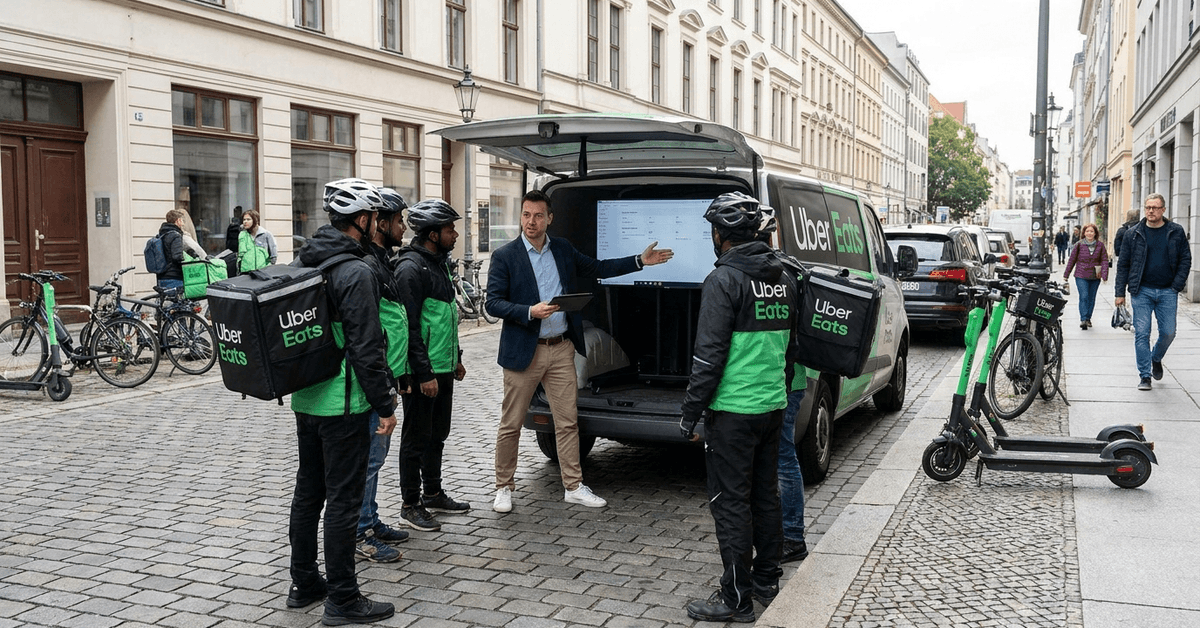
Becoming a fleet partner may suit individuals or small business owners with experience in logistics, staffing, or transport. It is also suited for those seeking to scale income beyond solo courier earnings in urban delivery markets such as Berlin, Hamburg, or Munich.
Why Delivering with Uber Eats Attracts Fleet Partners in Germany
Uber Eats continues expanding across Germany, thanks to the country's love for international cuisines and on-demand convenience. This ongoing demand ensures consistent delivery requests, which is appealing to all stakeholders.
Stable and Growing Demand
The large volume of orders across German cities supports a robust fleet ecosystem. Fleet partners typically see a high frequency of deliveries, especially during peak meal periods and weekends. Some may even notice demand spikes around public holidays or local festivals.
Opportunity for Scalable Earnings
Managing several couriers allows partners to benefit from scaled delivery volumes. Partners who prioritize effective scheduling and resource management may observe increased profitability, as couriers cover more orders in less time. This scaling is unique to the fleet partner model.
Support and Structured Processes
The Uber Eats platform provides technical infrastructure, route optimization, and streamlined payment handling.
These structured processes assist partners in keeping operations efficient and reduce manual workloads, lowering stress associated with administrative tasks.
Requirements for Uber Eats Fleet Partner Application in Germany
Before applying, understanding the criteria for becoming a fleet partner greatly improves preparation. Uber Eats maintains certain standards to ensure seamless delivery experiences for all users.
Legal and Business Registration
Applicants must have a registered business or legal entity in Germany. Gewerbeanmeldung (commercial registration) is required, and partners must ensure all operations meet local labor and insurance regulations.
Fleet Size and Resources
A typical partner manages anywhere from 3 to 50+ couriers, depending on local demand. Reliable vehicles (bikes, scooters, or cars), legal compliance, and safety equipment are all vital for a successful start. Even small fleets can have impact when properly organized.
Technology Access
Companies or individuals will need access to digital platforms, smartphones, and manage onboarding via the Uber Eats fleet dashboard. It's worth noting the digital tools simplify many processes, such as payment tracking and route assignments.
Relevant Work Experience
Uber Eats does not formally require logistics experience, but operational background in delivery, transport, or people management can make onboarding smoother. It might also help with overcoming common challenges as the business grows.
Step-by-Step Guide to the Uber Eats Fleet Partner Application Process in Germany
The application process for becoming an Uber Eats fleet partner in Germany is systematic, ensuring only qualified and motivated applicants progress.
1. Gather Required Documentation
Applicants should prepare copies of business registration, insurance certificates, and identification documents.
Some cities may request vehicle documentation or proof of safety training for couriers as well.
2. Online Application Submission
Commence the process on the official Uber Eats Fleet Partner sign-up page. The portal guides applicants through information input and document upload. Completing profiles accurately can expedite review times.
3. Verification and Compliance Checks
Uber Eats reviews submitted documents and, if necessary, may request further clarification or compliance guarantees.
Local labor and tax laws require particular attention in markets such as Germany, especially for large fleets.
4. Onboarding and Platform Training
Once accepted, partners receive onboarding instructions. Training modules, system walkthroughs, and courier recruitment guidelines are provided. Initial orientation can help with technology familiarization and policy updates.
5. Courier Recruitment and Activation
Partners must recruit, verify, and activate couriers under their management. Uber Eats assists with guidelines for safety gear, food handling, and customer communication. Activation often involves additional vetting for each courier.
Key Responsibilities of Uber Eats Fleet Partners in Germany
Fleet partners carry specific duties extending beyond order delivery. These include maintaining compliance, managing staff, and upholding Uber Eats quality standards in everyday operations.
Recruitment and Training
Partners source, onboard, and train couriers to meet German labor laws. They also monitor ongoing performance, ensuring couriers deliver high service quality. Some partners set up regular feedback sessions for continual improvement.
Operational Oversight
Scheduling, vehicle management, and route-planning are key daily tasks. Efficient management improves delivery success rates and helps build positive relationships with local restaurants and recipients.
Financial Admin and Payment Distribution
Tracking completed orders, managing payouts, and budgeting for expenses are part of the administrative role. Digital dashboards simplify some of this, but attention to detail is still crucial for stable cash flow.
Compliance and Legal Updates
Partners are responsible for complying with transport, insurance, and employment regulations. Regular updates may be needed to align with German business requirements or Uber Eats policy changes.
Tips to Enhance Long-Term Success as an Uber Eats Fleet Partner
Sustained success often depends on proactive management and operator adaptability. Partners who anticipate challenges can foster more durable businesses and improve courier satisfaction rates.
Prioritize Courier Well-being
Investing in reliable equipment and fostering open communication minimizes turnover. Satisfied couriers are generally more motivated, and this may positively affect service ratings and order volume.
Leverage Data for Efficiency
Utilizing app analytics for performance tracking and scheduling can clarify bottlenecks. Small tweaks to courier shifts or route assignments can yield higher efficiency and may boost net profit over time.
Adapt to Market and Customer Shifts
Order volumes in cities like Berlin or Munich can fluctuate—sometimes unpredictably. Partners who adjust quickly, reassigning resources or marketing to new neighborhoods, often experience steadier growth.
Important Legal and Tax Considerations in Germany
Operating a delivery fleet in Germany involves legal and fiscal obligations. Uber Eats fleet partners benefit from understanding the relevant tax, insurance, and compliance landscape before scaling operations.
Tax Registration and Reporting
Fleet partners must register for all applicable local, state, and national taxes. Annual accounting, VAT considerations, and payroll reporting form part of ongoing administrative duties.
Insurance and Liability Coverage
Partners are required to maintain insurance policies that protect couriers, vehicles, and third parties. Some insurance types are mandatory, including accident coverage, which helps reduce business risk in the long term.
Labor Law Compliance
Adhering to minimum wage laws, work-hour limitations, and social contribution requirements is essential. Non-compliance can result in penalties or contract terminations.
Is Fleet Partnership with Uber Eats in Germany the Right Move?
Choosing to become an Uber Eats fleet partner in Germany presents both challenges and significant opportunities for business-minded individuals. Success depends on mastering compliance, nurturing couriers, and adapting to rapid market shifts.
The application process, though thorough, rewards those who prepare and invest in learning the operations. For many, the appeal lies in the ability to scale, earn, and build a reliable team in a thriving food delivery ecosystem.
For those interested in exploring this career or investment path, more details for applicants are available via the official Uber Eats Germany delivery sign-up. The journey can be both rewarding and educational, offering hands-on business experience in one of Europe’s most dynamic markets.