
The food delivery sector in Denmark has been booming, fueled by urban demand and technology. Many people look to services like Uber Eats for flexible earning options.
This guide is for those considering delivery work and want clarity on requirements, registration, and daily life as a courier.
Readers stand to gain from practical tips and a realistic look at income possibilities and what’s needed to qualify.
Why Consider Delivering with Uber Eats in Denmark
Many Danes seek flexible jobs, and delivering with Uber Eats reflects this trend. Students, part-time workers, or anyone with spare time may find the opportunity appealing.
The model suits those valuing autonomy but it isn't a get-rich-quick path. Some share that the flexible hours help balance other commitments, although variable demand requires adaptability.
Uber Eats operates in several major cities in Denmark, with Copenhagen and Aarhus leading in order volume.
Even in smaller cities, there’s often steady demand due to the rising popularity of restaurant delivery. Perhaps that explains its consistent growth year after year.
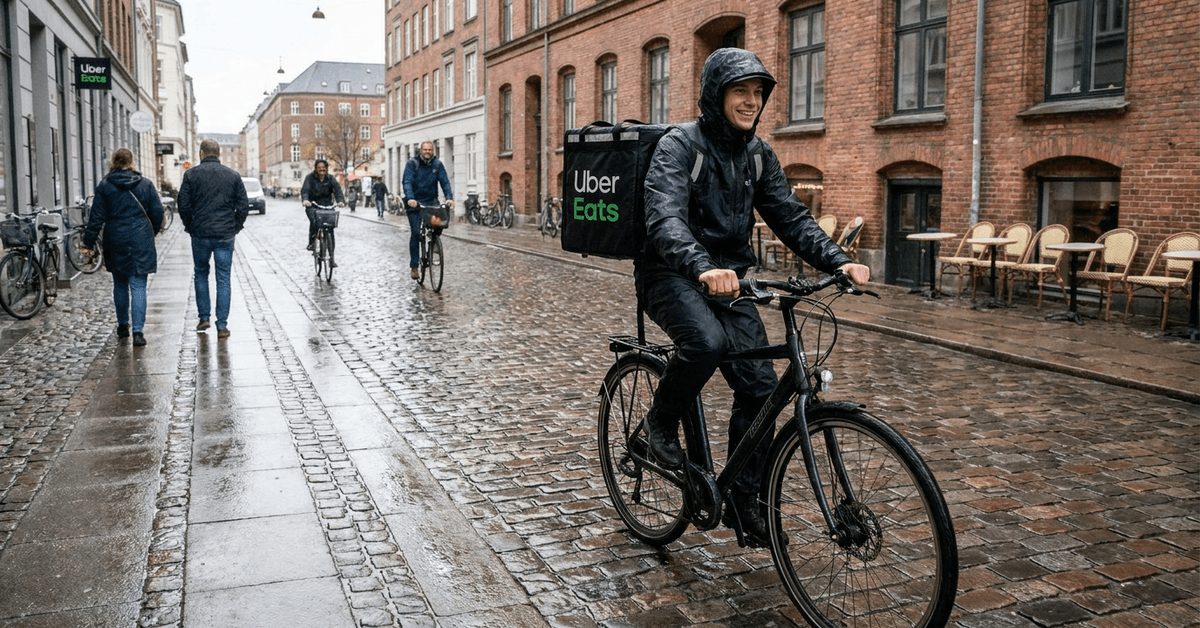
Earnings can vary, depending on location, time, and strategy. Some couriers mention making enough to cover regular expenses, while others view it as a supplementary income.
Requirements for Uber Eats Couriers
The basic requirements are refreshingly straightforward. Anyone over 18 with the right to work in Denmark can apply. Acceptable documents include a valid residence permit and Danish or EU citizenship papers. No formal education is needed.
To accept deliveries, a smartphone with GPS, a vehicle (bike, scooter, car), and insurance are mandatory. A background check forms part of the onboarding.
Danish law requires bike helmets, safety equipment on vehicles, and respect for traffic rules—something that cannot be overlooked.
Minimum Age and Documentation
Candidates typically must be 18 or older. Proof of address and a NemID or MitID are sometimes needed for registration.
Passport or national ID is standard for identity verification. Some find the process quick, while others suggest preparing documents beforehand.
Vehicle and Equipment Rules
Most Uber Eats couriers in Denmark use bikes, an eco-friendly and affordable choice. Those using scooters or cars must supply license and registration details.
A well-charged phone and a sturdy delivery bag—sometimes purchased or provided—are strongly recommended for efficiency.
How to Register with Uber Eats in Denmark
The official application process is entirely online. It starts with signing up at the Uber Eats Couriers Denmark page.
All steps are available in Danish and English. Registration usually takes between 10-30 minutes if documents are ready, though approval times may vary.
Applicants are guided through uploading documents, providing personal info, and selecting their preferred delivery method. Background checks and tax information are collected. After document review, approval emails inform new couriers of their status.
Activation and Orientation
Once approved, new couriers receive instructions on accessing the Uber Eats app. The app contains built-in guides explaining app navigation, order acceptance, and delivery flow. Orientation may be virtual or self-guided, depending on location.
Some share that waiting periods for approval can fluctuate, especially during high-application seasons. Staying patient is key; the process is straightforward for most.
How Uber Eats Deliveries Work in Denmark
Deliveries are managed through the Uber Eats app. Couriers receive order notifications, accept jobs, and follow in-app GPS directions. Pickup and drop-off details are provided, making navigation convenient.
Orders vary in distance and size. Some days, many deliveries are short, while others can stretch across the city. Customers rate couriers after orders, and feedback influences in-app metrics.
Peak hours tend to be during lunch and dinner. Weekends and rainy days often bring higher order volume. Some couriers report better tips and incentives when working unsociable hours, though this may depend on local trends.
Earnings, Payouts, and Costs
Uber Eats pays per delivery, with the total depending on distance, time, and occasional surges. Payouts are processed weekly via bank transfer.
While pay can be quite variable, some report averaging between DKK 75 and 130 per hour, though this can fluctuate with city and order volume.
Couriers are responsible for expenses like mobile data, bike maintenance, or fuel.
However, the lack of a fixed schedule allows for flexibility—making it attractive despite occasional slow spells. This freedom appeals to students or those juggling several income sources.
Tips and Incentives
Customers may leave tips via the app or in cash. Incentive bonuses are sometimes available during busy periods, and the app may notify couriers when opportunities arise. This can offer a welcome boost, yet it isn’t something to rely upon completely.
Tracking Earnings and Hours
The Uber Eats app lets couriers monitor earnings in real-time. Weekly and monthly breakdowns are viewable, which may assist in financial planning. While reports are detailed, some mention checking often out of curiosity rather than strict budgeting.
Legal and Tax Considerations for Uber Eats Couriers in Denmark
Working as a courier is classed as self-employment in Denmark. Couriers must report income to the tax authorities (Skattestyrelsen) and may need to register a small business (Enkeltmandsvirksomhed). Income tax rates depend on total earnings and deductions.
Maintaining records of all work-related expenses—such as maintenance, equipment, or phone usage—can be useful at tax time. Consulting the Skattestyrelsen website or a professional advisor is common practice. The Uber Eats app provides downloadable earnings reports to help with documentation.
Insurance and Safety
Appropriate insurance—accident, liability, and vehicle—is essential. Some couriers note the peace of mind this offers, especially when cycling or driving in the city. Failing to secure insurance might risk fines or complications after accidents.
What to Expect: Daily Realities of Delivery Work
Like any flexible job, delivery work brings both freedom and unpredictability. Rainy Danish weather and city traffic can slow down routes. Some say certain neighborhoods are more rewarding, but it can take a few weeks to learn the best areas.
Overall, the job mostly involves following app directions, picking up food, and meeting customers. Balancing work with studies, family, or other jobs is a common experience. A strong work ethic and comfort navigating cities can be beneficial in maximizing income.
Bikes are popular for their maneuverability in Copenhagen’s cycle-friendly streets. However, electric scooters or cars may offer more comfort during winter, albeit with extra costs. Each courier ends up finding what works best for them over time.
Best Practices to Maximize Your Success
Using a reliable phone with a portable power bank helps ensure the app remains accessible all day. A waterproof jacket and gloves come in handy, given Denmark’s climate. Couriers sometimes share stories of learning these habits through experience.
Scheduling work during “peak” eating times often results in higher order frequency. Experimenting with locations and hours lets new couriers understand local demand patterns, which might change with seasons and events.
Joining courier community groups on social media can provide peer advice and tips on day-to-day challenges. Although not essential, such connections offer support and help in feeling less isolated.
Ready to Get Started as an Uber Eats Courier?
Becoming a courier with Uber Eats in Denmark offers rare flexibility and the potential to earn income on your terms.
While the work has its ups and downs, it remains a popular choice for many seeking autonomy and manageable entry requirements. For those considering this step, learning from others’ experiences can help shape expectations and avoid common mistakes.
The journey often starts with a simple application. More information and the official registration form can be found via the Uber Eats Courier Registration Page. Those curious about details on pay, requirements, and current terms may find the answers there.
Conclusion: Delivering in Denmark – Flexible Earning, Real-World Challenges
Starting out as an Uber Eats courier in Denmark can seem straightforward, but new couriers quickly discover a mix of opportunity and unpredictability.
It's possible to shape the experience around personal needs, whether the goal is steady income or just a few extra kroner each week. Factors like weather, demand, and timing all play a role—so it helps to stay adaptable and not expect immediate, consistent earnings.
The flexibility and ease of entry are certainly attractive. For those prepared for a varied routine and occasional trial-and-error, delivering food with Uber Eats in Denmark provides a practical, modern answer to earning on the side.
Exploring the official resources—and even chatting with current couriers—can offer extra confidence before stepping in.


