
The Supplemental Nutrition Assistance Program (SNAP) helps eligible households buy food when budgets are limited. Formerly called food stamps, SNAP provides monthly assistance through an Electronic Benefits Transfer card.
This guide explains eligibility, documents, applications, interviews, benefit use, and common questions. It also outlines practical steps that can make the process easier.
Understanding SNAP: Key Facts and Program Basics
SNAP is federally funded and administered by state agencies under national rules. People seeking government food assistance should check state requirements because procedures can vary.
What SNAP Is—and Is Not
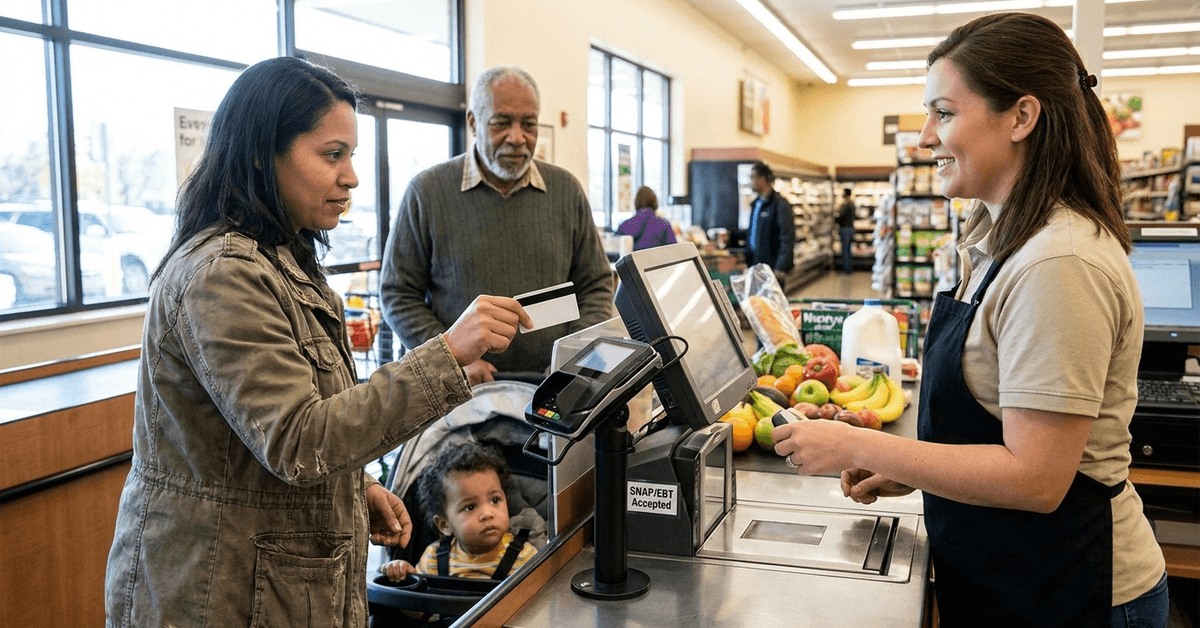
SNAP helps qualifying households purchase eligible foods from authorized retailers. Benefits are loaded onto an EBT card for approved purchases.
SNAP generally cannot pay for alcohol, tobacco, supplements, household supplies, or most hot prepared foods.
Who Benefits from SNAP?
SNAP serves households with limited income, including families, older adults, workers, and some people with disabilities. Certain students and unemployed adults may qualify under specific rules. Eligibility depends on household circumstances.
Who Is Eligible for the SNAP Program?
Eligibility depends on income, resources, household composition, immigration status, and other program rules. People preparing a US food stamps application should use current state guidance because policies differ.
Income Limits Explained
Federal SNAP rules use gross and net income tests for many households. Income limits depend on household size, deductions, and applicable exceptions. State agencies determine eligibility using federal standards and permitted state policies.

Resource and Asset Limits
Some households must meet resource limits covering assets such as cash or certain accounts. However, resource rules can differ because categorical eligibility may change which limits apply. Applicants should let the state agency determine what counts.
Work and Residency Requirements
Applicants generally must meet citizenship or eligible immigration rules and live in the state where they apply. Some adults face work requirements, although exemptions may apply. Applicants should review current state instructions.
Preparing to Apply for SNAP: Steps and Documentation
Preparing documents can reduce avoidable delays and make follow-up requests easier. Anyone planning to apply for SNAP benefits should gather household information before starting.
Common Documents Needed
Requirements vary by state and household circumstances. Applicants should prepare supporting records and provide documents requested by their agency.
- Proof of identity, such as government-issued identification.
- Income records, including pay stubs or benefit letters when applicable.
- Social Security numbers or required identification information for applicants.
- Proof of residence when requested.
- Housing, utility, child-care, or qualifying medical expense records when relevant.
Household Definition
SNAP generally groups people who live together and purchase and prepare food together into one household.
Certain people must share the same SNAP household under program rules. State workers can clarify arrangements involving roommates or relatives.
Optional Expenses to List
Allowable deductions can affect net income and benefit amounts. Eligible expenses can include shelter costs, dependent care, and certain medical costs for qualifying members. Applicants should report requested expenses accurately and provide verification when required.
Ways to Apply for the SNAP Program?
State or local agencies handle SNAP applications rather than one national portal. Depending on the state, an application method may be available online, in person, by mail, or through approved channels.
Online Applications
Many states operate secure portals where residents can apply and upload documents. An online EBT sign-up search should lead users to official state websites, not unfamiliar services requesting unnecessary information. USAGov can help locate the correct state SNAP office.
Submitting Applications in Person
Local social-services or human-services offices may accept applications and help with forms. In-person support can benefit first-time applicants who need help understanding questions or documents. Office procedures and appointment requirements vary by state.
Phone and Mail-In Options
Some states allow applications or parts of the process by telephone or mail. These alternative options can help people with limited internet access, disabilities, or transportation difficulties. Applicants should confirm accepted methods with their state agency.
What Happens After Applying for SNAP?
After filing, the state agency reviews household information and completes an eligibility interview. Processing times vary, while households with urgent needs may qualify for expedited service.
The Interview Process
A caseworker may conduct the interview by telephone or another approved method. The worker reviews application details, asks questions, and explains missing verification. Applicants should answer accurately and promptly submit requested documents.
Receiving a Decision
The agency sends a notice explaining approval, denial, or requests for more information. Approved households receive an EBT card or access instructions under state procedures. Denial notices generally explain the reason and appeal or fair-hearing rights.
Making the Most of Your SNAP Benefits
SNAP benefits support food purchases throughout the month. Planning regular meals and tracking the EBT balance can help households manage benefits.
Using the EBT Card
EBT cards work at authorized supermarkets, grocery stores, farmers’ markets, and participating online retailers. Shoppers should confirm SNAP acceptance and follow retailer procedures. State agencies explain balance checks, card replacement, and reporting suspected theft.
Budgeting and Shopping Tips
Simple planning can help food benefits last longer each month. Shoppers can focus on essential foods while comparing prices and reducing waste.
- Plan meals before shopping and make a realistic grocery list.
- Compare unit prices and consider store brands when suitable.
- Buy shelf-stable staples in larger quantities when practical.
- Choose seasonal produce when it offers better value.
- Check the EBT balance regularly.
Nutrition and Community Resources
Some communities provide nutrition education, farmers’ market incentives, food pantries, or support. These additional resources vary by location and may help households stretch budgets. State agencies and community organizations can explain available programs.
Common Questions and Helpful Resources
Applicants often have questions about taxes, renewals, benefits, and reliable information. The official USDA SNAP website and state agencies provide current guidance.
Are SNAP Benefits Taxed?
SNAP benefits help recipients purchase eligible food rather than provide taxable wages. They are not federal taxable income for recipients. Households should still follow ordinary tax rules for other income.
Can Benefits Run Out?
A household receives a monthly allotment based on eligibility and benefit calculations. The available balance can be spent during the month under applicable EBT rules. Continued eligibility requires periodic recertification and reporting changes when required.
Where to Find More Guidance?
USDA provides national SNAP information, while state agencies handle individual applications and cases.
USAGov can help locate the correct state office for applications and questions. Applicants should use government sources when sharing personal or financial information.
Conclusion
SNAP can help eligible households purchase food during periods of limited income. Understanding eligibility requirements, documents, interviews, and EBT use can simplify the process.
State agencies remain the primary source for case-specific rules and benefit decisions. Official information helps applicants approach the program with clear expectations.


